Search Best Broker by Country: What Actually Matters Choosing the best broker by country is rarely about finding one global winner. A broker that looks strong in the…
Search Forex Broker Withdrawal Problems Explained A withdrawal request that sits in “pending” for days gets traders’ attention fast. Few issues damage confidence more quickly than forex broker…
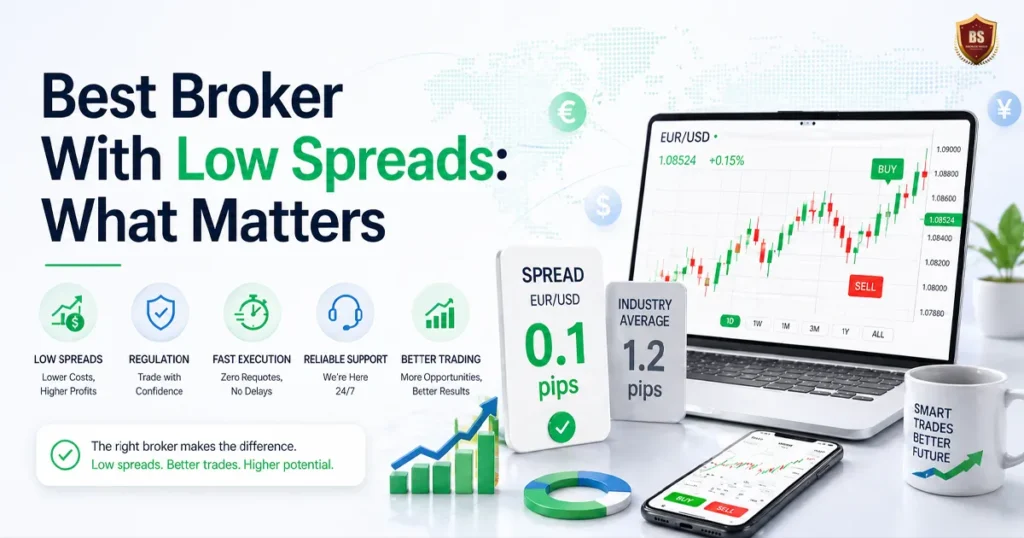
Search Best Broker With Low Spreads: What Matters A broker can advertise a 0.0 pip minimum spread and still be expensive where it counts. That is the trap…
Search Regulated Forex Brokers in USA: What Matters A broker saying it accepts US traders is not the same as being legally authorized to serve them. That gap…
Search Best Forex Broker for Beginners in 2026 Choosing your first forex broker is not a small decision. The wrong platform can make trading more expensive, more confusing,…
Search What Is Forex Trading? Complete Beginner’s Guide (2026) Forex trading, also known as foreign exchange trading, is the process of buying and selling currencies to profit from…
Forex Trading Guides, Broker Education, and Market Insights
The Forex category on BrokShield is designed for traders who want to understand the foreign exchange market before choosing a broker, opening an account, or comparing trading conditions. Here, you will find practical forex education, broker safety guidance, market structure explanations, and beginner-friendly resources that help you make more informed trading decisions.
What You Will Find in Our Forex Category
Forex trading is more than buying and selling currency pairs. A trader needs to understand spreads, leverage, liquidity, execution quality, platform tools, broker regulation, and the risks linked to CFDs and margin trading. This category brings those topics together in one place, so readers can move from basic concepts to practical broker selection with a clearer framework.
If you are new to trading, start with our educational articles about how forex brokers work, how currency pairs are priced, and what separates a reliable broker from a risky one. For deeper research, you can also explore our broker reviews, where we examine regulation, fees, platforms, account types, and trading conditions across different brokers.
Why Forex Education Matters Before Choosing a Broker
Many traders focus only on low spreads or high leverage, but those numbers do not tell the full story. A broker with tight spreads may still be expensive if commissions, swaps, withdrawal fees, or slippage are not competitive. A broker with high leverage may look attractive, but it can also increase the speed of losses if risk management is weak. That is why forex education should come before broker selection.
Our Forex articles help explain these details in plain English. We cover key concepts such as pip value, margin requirements, trading sessions, order execution, broker types, and the role of regulation. If you want to compare actual broker options, visit our Compare 100 Brokers page for a wider market overview.
Forex Brokers, Regulation, and Trader Protection
Broker regulation is one of the most important areas for forex traders. A regulated broker is not automatically perfect, but strong oversight can improve transparency, client fund handling, complaint procedures, and business conduct. Before opening an account, traders should always verify the exact legal entity, regulator, country restrictions, and whether protections such as negative balance protection apply.
BrokShield regularly connects forex education with broker safety. For example, our guide on how broker regulation protects traders explains why regulation matters and how traders can check a broker before depositing funds.
Tip: Do not choose a forex broker based only on bonuses, leverage, or social media ads. Always compare regulation, costs, execution quality, withdrawal rules, and platform reliability.
Who Should Use This Forex Resource Hub?
This category is useful for beginners learning how forex trading works, intermediate traders comparing broker conditions, and experienced traders looking for clearer explanations of market structure, broker models, and trading costs. Whether you trade major pairs like EUR/USD and GBP/USD or you are researching CFDs, indices, commodities, and multi-asset brokers, this hub gives you a stronger starting point.
To continue your research, explore our latest Forex articles below, compare brokers through our comparison section, or review individual brokers in the Broker Reviews category.
Forex FAQ
Forex trading means buying and selling currencies based on exchange rate movements. Most retail traders access forex through online brokers using leveraged CFD or margin trading accounts.
Compare regulation, spreads, commissions, platforms, withdrawal methods, available instruments, account types, and customer support. Do not choose a broker based only on leverage or promotions.
Yes. Forex trading is risky because prices can move quickly and leverage can magnify both profits and losses. Traders should use risk management and only trade with money they can afford to lose.
No. Low spreads are important, but you should also check commissions, swaps, slippage, withdrawal fees, execution quality, and regulation before choosing a broker.
Beginners should start with forex basics, broker regulation, risk management, and demo trading. After that, they can compare regulated brokers and choose a platform that matches their trading style.