Choosing your first forex broker is not a small decision. The wrong platform can make trading more expensive, more confusing, and far riskier than it needs to be. If you are searching for the best forex broker for beginners, the real goal is not finding the broker with the loudest marketing. It is finding a regulated broker that matches your country, your budget, and your learning curve.
That distinction matters because beginners usually focus on the wrong things first. They look for high leverage, bonuses, or promises of fast execution, while missing the basics that actually protect their money. A beginner-friendly broker should make it easy to understand costs, manage risk, test the platform, and get support when something goes wrong.
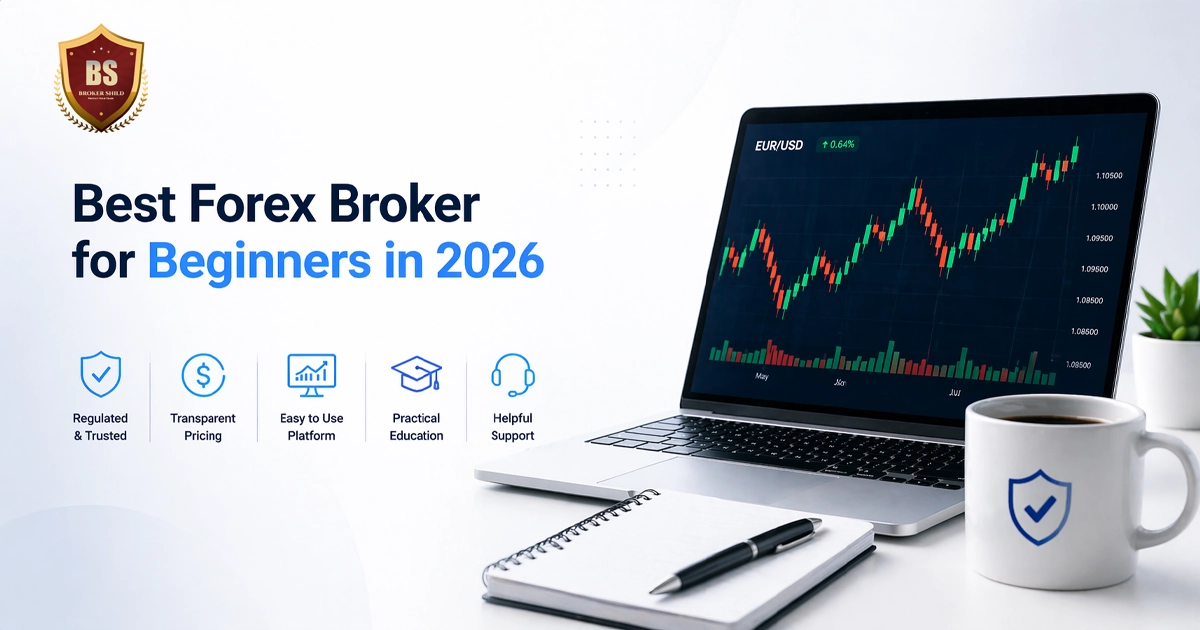
A beginner does not need the most advanced trading environment on the market. They need a broker that is safe, transparent, and simple enough to use without making costly mistakes. That starts with regulation.
A broker should be authorized by a recognized financial regulator in the country where it operates or where it legally accepts clients. For US traders, this standard is especially strict. Forex broker availability is limited compared with other regions, and that is not a bad thing. Tighter oversight can reduce the chance of ending up with an offshore broker that offers attractive terms but weak customer protections.
Beyond regulation, beginners should pay close attention to fee structure. Many new traders focus only on spreads, but the total cost can include commissions, overnight financing, withdrawal charges, inactivity fees, and currency conversion costs. A broker with slightly wider spreads may still be the better choice if its pricing is easier to understand and there are fewer surprise charges.
Platform usability is another major factor. A beginner-friendly platform should let you place, modify, and close trades without friction. It should also offer basic charting, clear order tickets, and accessible mobile trading. Complexity is not automatically a benefit. If the platform is overloaded with features you do not understand, it can slow down decision-making and increase execution errors.
Educational support helps, but only if it is practical. Glossaries and market commentary are fine. What matters more is whether the broker helps beginners understand order types, margin, stop-loss placement, and position sizing. Good education reduces avoidable mistakes. Weak education leaves the trader to learn through losses.
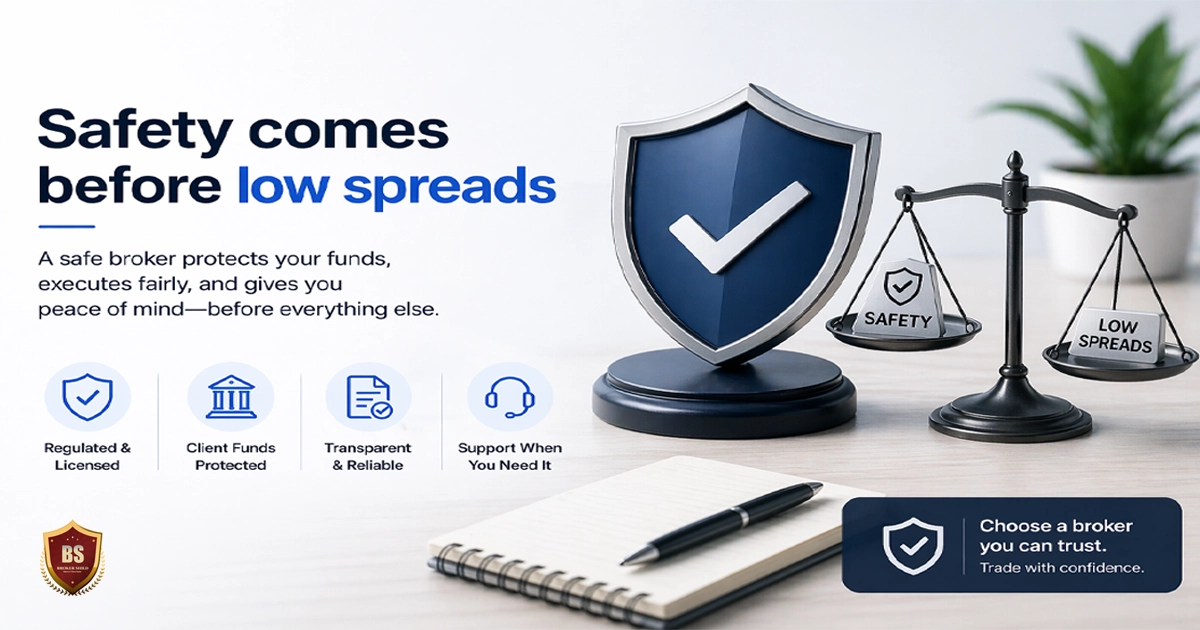
Many comparison pages put pricing first. That can be misleading for beginners. A low-cost broker with weak oversight or poor trade execution is not a bargain. Safety should be the first filter, then cost, then platform features.
A safer evaluation process starts with the broker’s legal status, track record, and client protections. You want to know how long the broker has operated, whether it segregates client funds, how complaints are handled, and whether there is a pattern of regulatory issues. You also want to understand which entity will actually hold your account. Large broker brands often operate through multiple entities, and protections can differ depending on your country.
This is where many beginners go wrong. They assume a recognizable brand name means every account gets the same safeguards. That is not always true. Country-specific availability affects leverage, funding methods, investor protections, and even which platform features you can access.
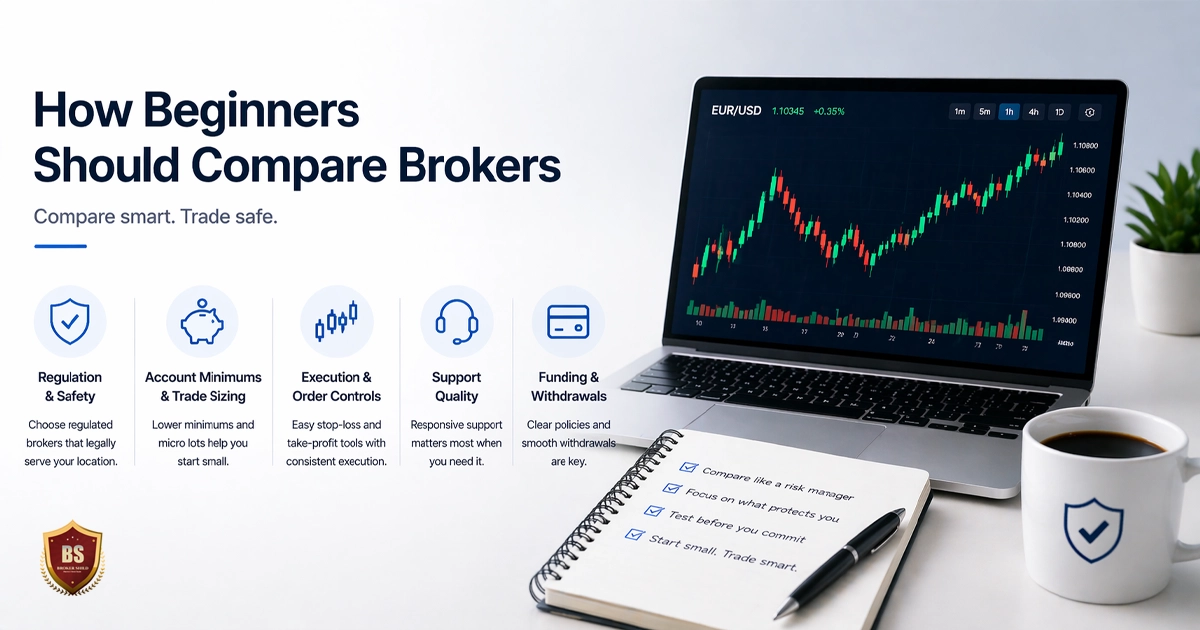
The best way to compare brokers is to think like a risk manager, not a marketer. Start by narrowing the field to regulated brokers that legally serve your location. After that, compare them across a few practical categories.
First, review account minimums and trade sizing. A beginner should not need a large deposit to get started. Lower minimums make it easier to test the broker with limited risk. Micro lots or other small position sizing options are also important because they let you practice live trading without taking oversized exposure.
Next, examine execution and order controls. You want stop-loss and take-profit tools that are easy to use, and you want confidence that the broker is not making basic execution unnecessarily difficult. Beginners do not need exotic order types, but they do need consistency.
Then look at support quality. Customer service tends to matter most when a deposit is delayed, a withdrawal is pending, or a platform issue appears during market hours. That is not the time to discover that support is slow or unhelpful. Reliable support is not a bonus feature. It is part of broker safety.
Finally, test the funding and withdrawal process. This is an overlooked part of broker selection. A platform may look polished until you try to move money. Clear funding policies, reasonable processing times, and transparent withdrawal rules are all signs of a better broker.
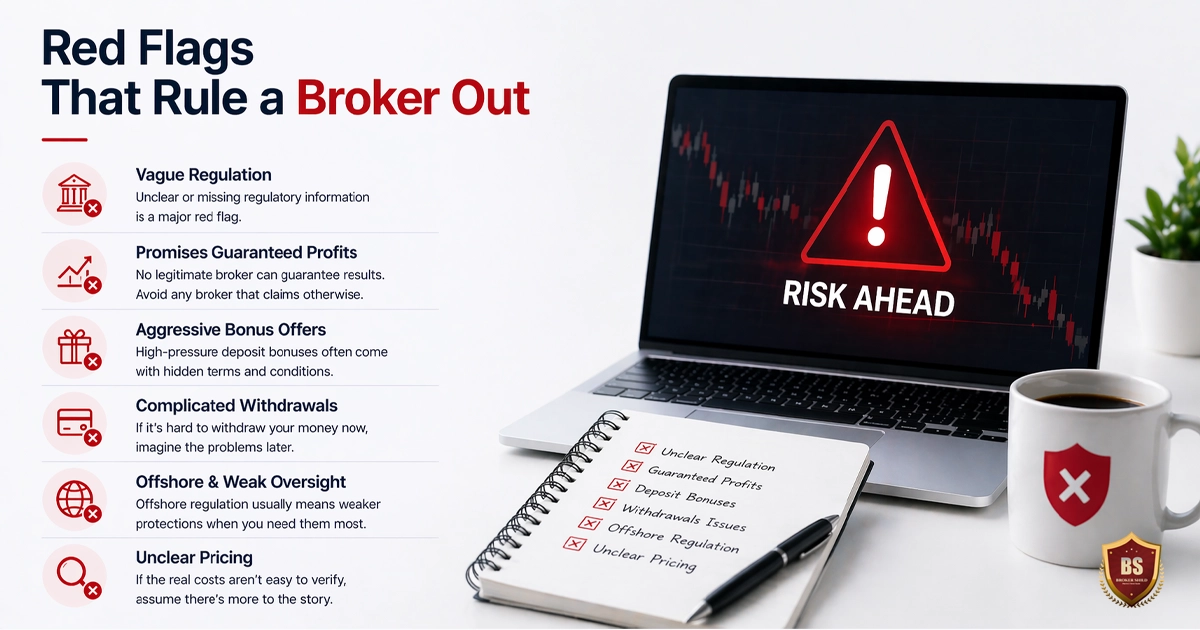
Some warning signs should end the evaluation immediately. If a broker is vague about regulation, promises guaranteed profits, pushes deposit bonuses aggressively, or makes withdrawals sound complicated, that is enough reason to walk away.
Offshore regulation is another issue beginners often underestimate. Some offshore brokers are marketed heavily because they offer high leverage and easy account opening. But the trade-off is weaker oversight and fewer protections if a dispute happens. For a beginner, that trade-off rarely makes sense.
You should also be cautious with brokers that advertise extremely tight spreads without explaining the full pricing model. If the costs are not easy to verify, assume there is more to the story. Clear pricing is part of trust.
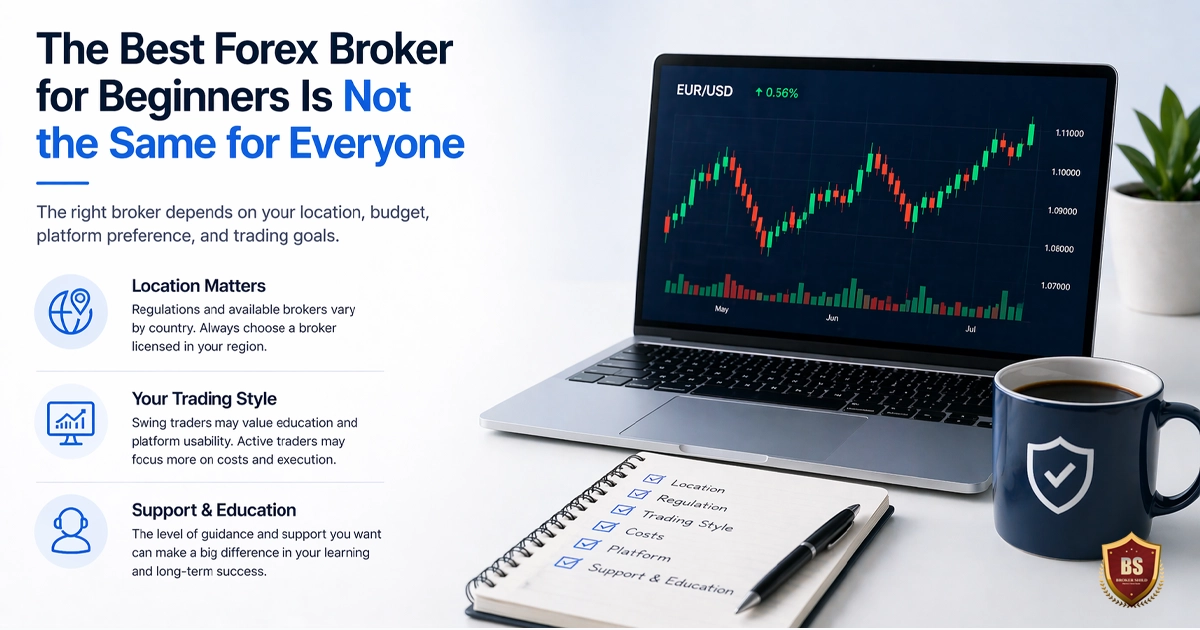
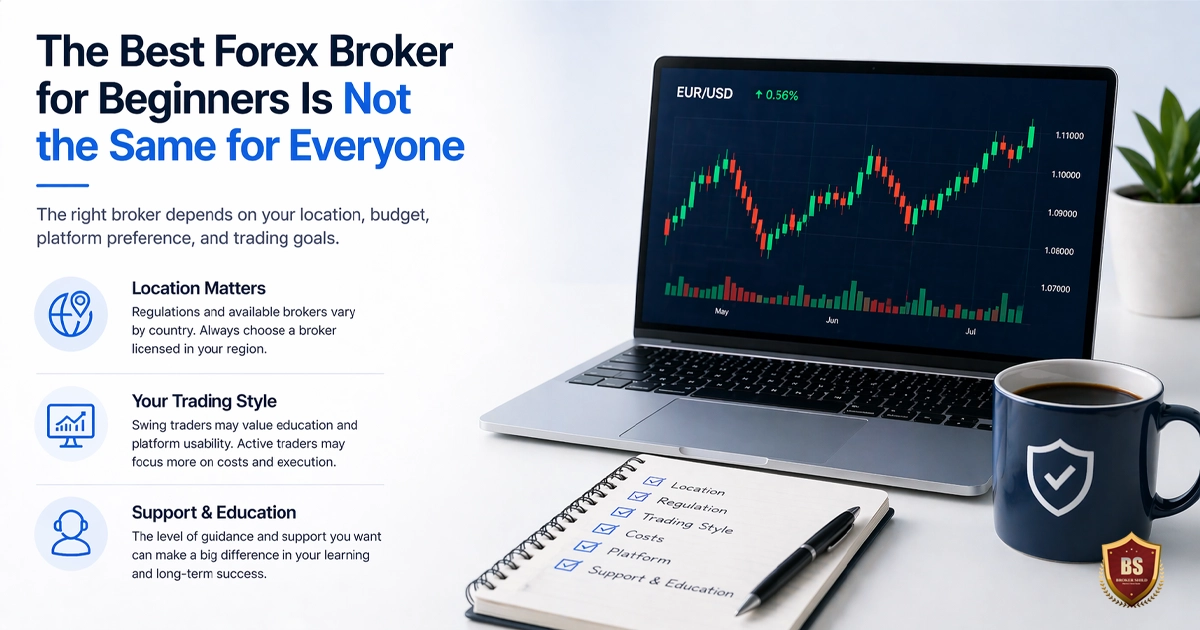
This is where many rankings oversimplify the choice. There is no single best forex broker for beginners in every situation. The right pick depends on where you live, how much you plan to deposit, what platform you prefer, and how hands-on you want the broker’s education and support to be.
For a US-based beginner, the pool of available brokers is narrower, and that changes the comparison. Regulation and compliance standards will carry more weight than promotional features. For a beginner outside the US, platform variety may be wider, but the need to verify licensing and client protections becomes even more important.
Trading style matters too. A beginner who plans to place occasional swing trades may care more about clean platform design and educational support. A beginner who expects to trade more frequently may put more emphasis on spreads, commissions, and execution quality. Neither approach is wrong, but they do lead to different broker priorities.
A demo account is a useful starting point because it lets you explore the platform without financial risk. You can learn how order tickets work, test chart layouts, and practice basic trade management. For beginners, that is valuable.
But a demo account does not show the full broker experience. It will not tell you how support handles real issues, how withdrawals are processed, or whether pricing feels consistent in live conditions. That is why serious broker evaluation should go beyond platform screenshots and promotional claims. At BrokShield, this is exactly why live-account testing matters more than surface-level rankings.
A practical approach is to start with a demo, then fund a live account with a small amount once the broker passes your regulation and trust checks. This lets you test real deposits, real withdrawals, and real platform conditions before committing more capital.
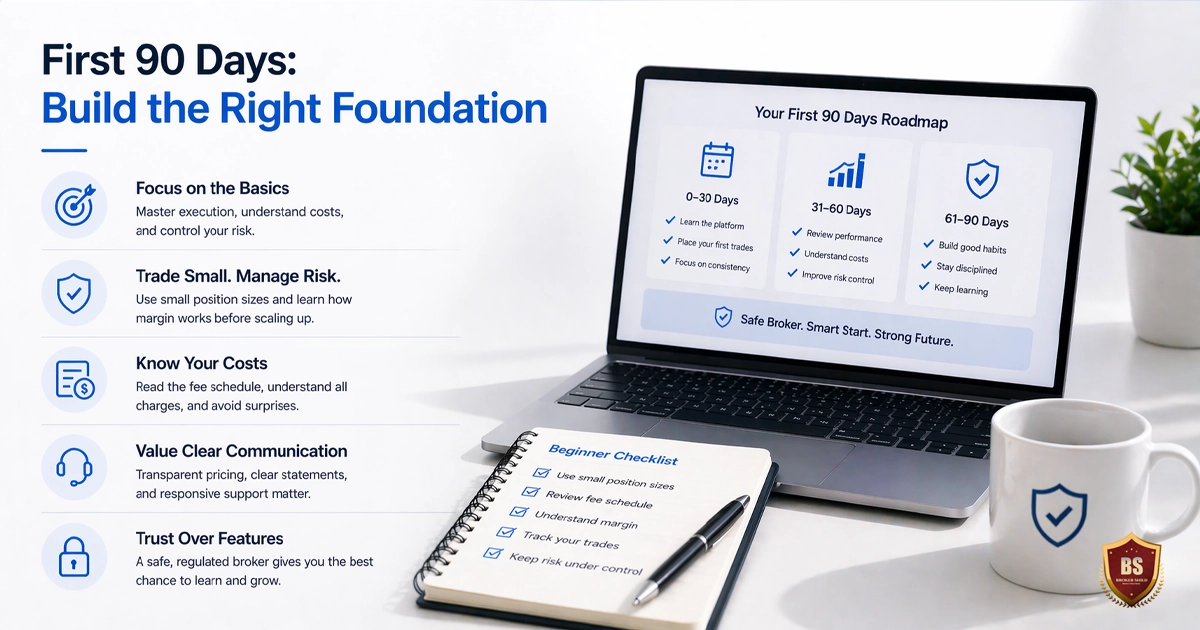
Your first broker does not need to be perfect forever. It needs to be safe and workable while you learn. In the first few months, focus on execution basics, cost awareness, and risk control. If the broker supports that process, it is doing its job.
That means using small trade sizes, reading the fee schedule carefully, and learning how margin works before increasing exposure. It also means paying attention to the broker’s communication. Clear account statements, transparent pricing updates, and responsive support are signs that the broker takes client experience seriously.
A lot of beginners spend too much time trying to find a flawless platform and not enough time checking whether the broker deserves trust. That is backward. Features are easy to market. Trust has to be verified.
The better question is not which broker looks most impressive on paper. It is the broker who gives a beginner the best chance to learn in a controlled, transparent, and regulated environment. Start there, and you are far less likely to regret where you open your first account.

Emma Thompson

Robert Walker