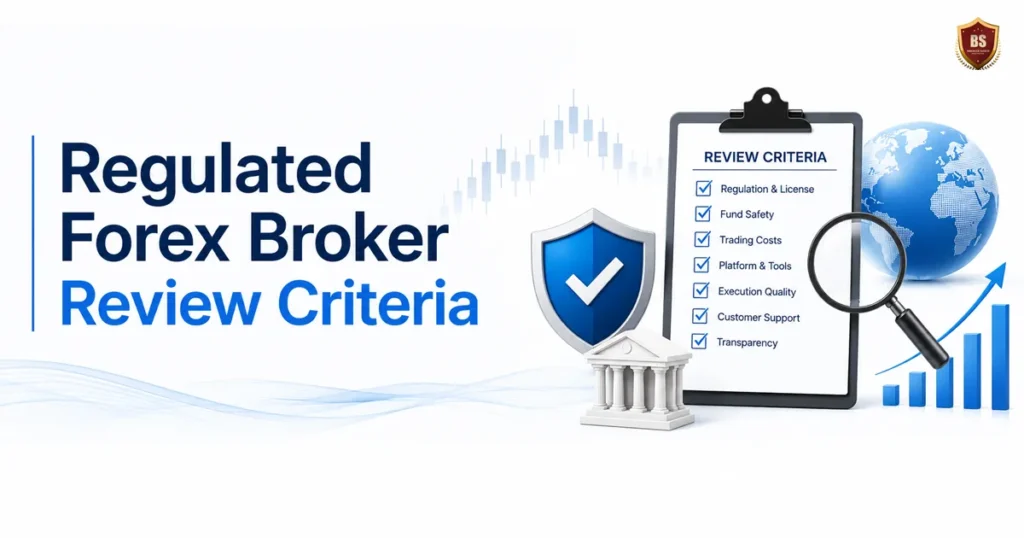
Search Regulated Forex Broker Review Criteria 📅 Updated: May 2026 ⏱ 12 min read ✍️ BrokShield Research Team A broker can advertise tight spreads, fast execution, and award-winning service. But…
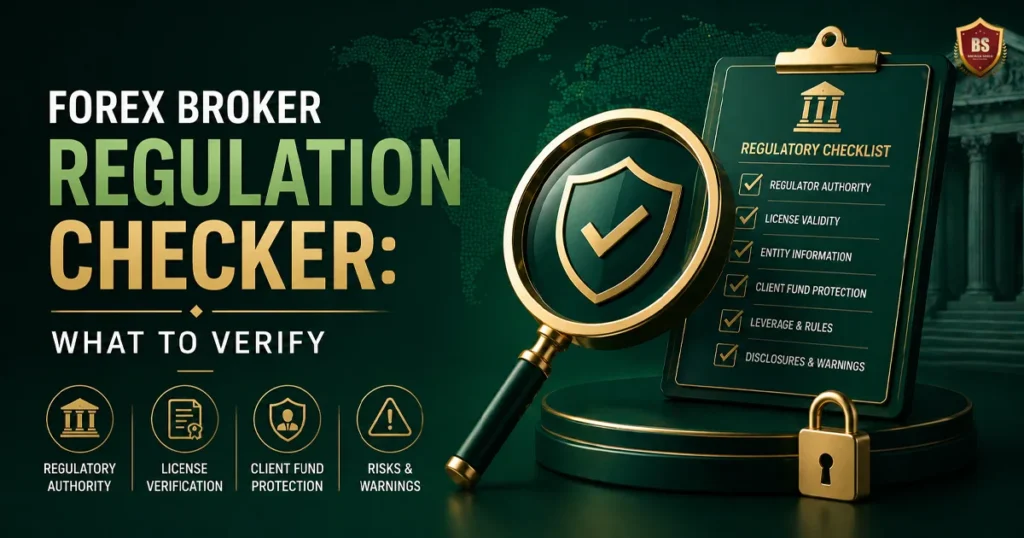
Search Forex Broker Regulation Checker: What to Verify A broker says it is “regulated”. The footer shows a license number. The homepage mentions multiple jurisdictions. That still does not tell…
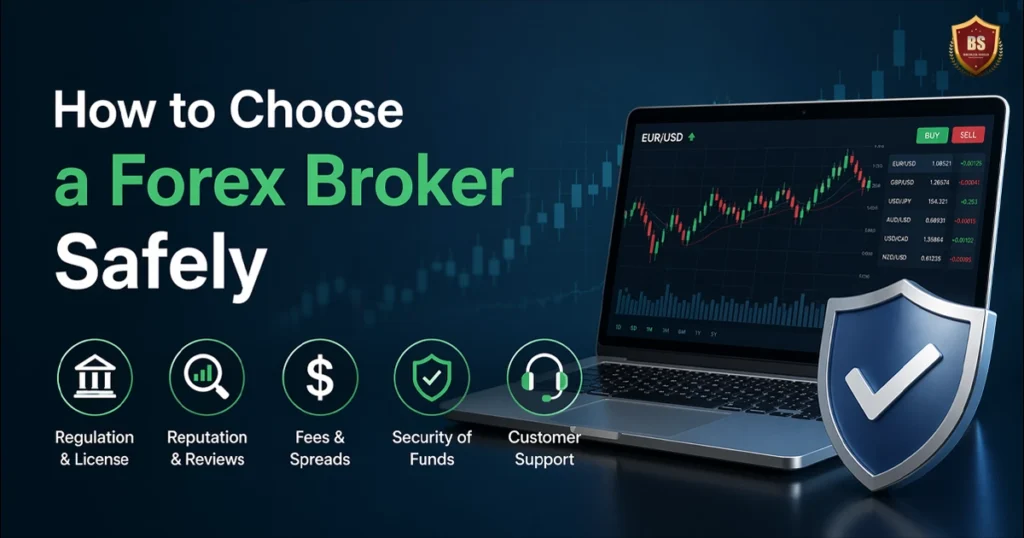
Search How to Choose a Forex Broker Safely A broker can look polished, promise tight spreads, and advertise fast execution – then fail where it matters most: regulation, withdrawals, or…
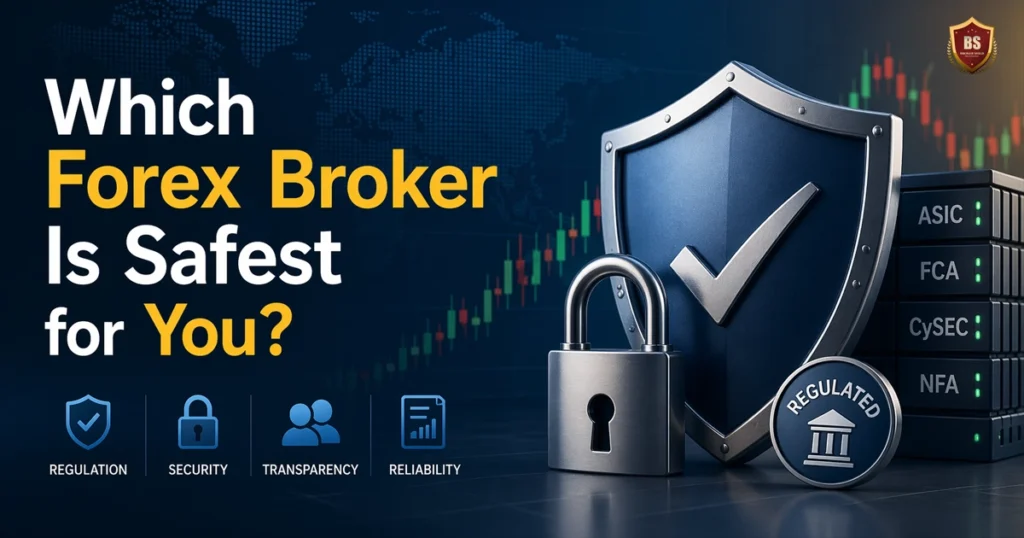
Search Which Forex Broker Is Safest for You? A broker can look polished, offer tight spreads, and still be the wrong place to send your money. When traders ask…
The Risk and Safety category on BrokShield is designed to help traders understand broker-related risks, trading dangers, regulatory protection, and the practical steps traders can take to protect their capital before opening an account with a forex or CFD broker.
Why Risk Awareness Matters in Trading
Many retail traders focus heavily on profits, leverage, and short-term opportunities while ignoring the operational risks connected to brokers, execution quality, and weak regulation. In reality, understanding trading risk is just as important as finding a low spread or fast platform.
Risk in trading does not only come from market volatility. Traders also face risks linked to offshore entities, withdrawal problems, poor customer support, misleading marketing, platform manipulation claims, and weak regulatory oversight. That is why risk awareness should always come before broker selection.
Regulation is one of the most important areas in broker safety research. Strong regulators often require brokers to follow rules related to client fund segregation, financial reporting, operational transparency, and complaint handling procedures.
However, not all regulation provides the same level of protection. Traders should always verify the exact legal entity they are registering under, because protections can vary significantly between regions and offshore subsidiaries.
You can also explore our guide on how broker regulation protects traders to better understand the relationship between regulation, safety, and operational trust.
Trading Risks Beyond Broker Safety
Even with a regulated broker, trading itself remains risky. Forex and CFD markets are volatile, leveraged, and heavily influenced by economic events, central bank decisions, and geopolitical developments. Traders can lose money quickly if leverage is misused or if risk management is ignored.
That is why BrokShield focuses not only on broker reviews, but also on helping traders understand realistic expectations, account protection, margin risks, and responsible trading behavior.
Important: High leverage increases both potential profits and potential losses. Never trade with money you cannot afford to lose, and always verify the legal entity behind a broker account before depositing funds.
Who Should Use This Category?
The Risk and Safety section is useful for beginner traders learning how to avoid unsafe brokers, intermediate traders comparing regulations and protections, and experienced traders reviewing operational risks linked to forex and CFD trading.
You can continue exploring our latest safety guides below, compare brokers in the Comparison section, or read detailed broker evaluations through our Broker Reviews category.
Risk and Safety FAQ
Broker regulation can improve transparency, client fund protection, operational standards, and dispute handling. Strong regulation may reduce some broker-related risks, although it does not eliminate trading risk itself.
Yes. Regulation helps with broker oversight, but trading markets remain risky. Traders can still lose money due to volatility, leverage, poor risk management, or unexpected market events.
Major risks include leverage misuse, market volatility, emotional trading, weak regulation, execution issues, and trading with brokers that lack transparency or strong oversight.
Traders should verify regulation, review broker reputation, compare withdrawal policies, analyze trading conditions, and avoid depositing funds with brokers that lack transparency.
Yes. High leverage magnifies both gains and losses. While leverage can increase exposure with smaller capital, it also increases the speed and size of potential losses.