A broker can look polished, offer tight spreads, and still be the wrong place to send your money. When traders ask which forex broker is safest, they are usually asking a bigger question: who can I trust to hold my funds, process withdrawals, and operate under rules that actually protect me if something goes wrong?
That is the right question to ask first. Safety matters more than platform extras, bonus offers, or a slightly lower commission. A cheap broker that fails on regulation, fund handling, or transparency is not cheap at all.
 There is no single broker that is automatically the safest for every trader. Safety depends on where you live, which legal entity will hold your account, and how strong that broker’s oversight is in your jurisdiction.
For US-based traders, the safest forex brokers are generally those authorized to serve US clients under strict domestic rules. In practice, that means looking for firms registered with US regulators and subject to ongoing compliance, capital requirements, and reporting standards. If a broker accepts US traders without the proper authorization, that is not a gray area. It is a major warning sign.
Outside the US, traders often compare brokers regulated by authorities such as the FCA in the UK, ASIC in Australia, or regulators in the EU. These can be strong frameworks, but the key detail is this: you need to verify the exact entity you are opening with. Large brokers often operate multiple subsidiaries, and protections can vary a lot between them.
A broker advertising global regulation is not enough. What matters is the specific company name, license number, and whether that entity legally serves clients from your country.
Safety is not one feature. It is a stack of controls that reduce the chance of fraud, insolvency problems, abusive dealing practices, or withdrawal friction.
A safer broker operates under a regulator with real enforcement power, routine reporting obligations, and meaningful penalties for misconduct. The more demanding the regulator, the harder it is for a broker to cut corners quietly.
This does not guarantee perfection. Regulated brokers can still have service issues, platform outages, or execution disputes. But regulation creates a framework for segregation of funds, complaint handling, and operational standards that unregulated firms often lack.
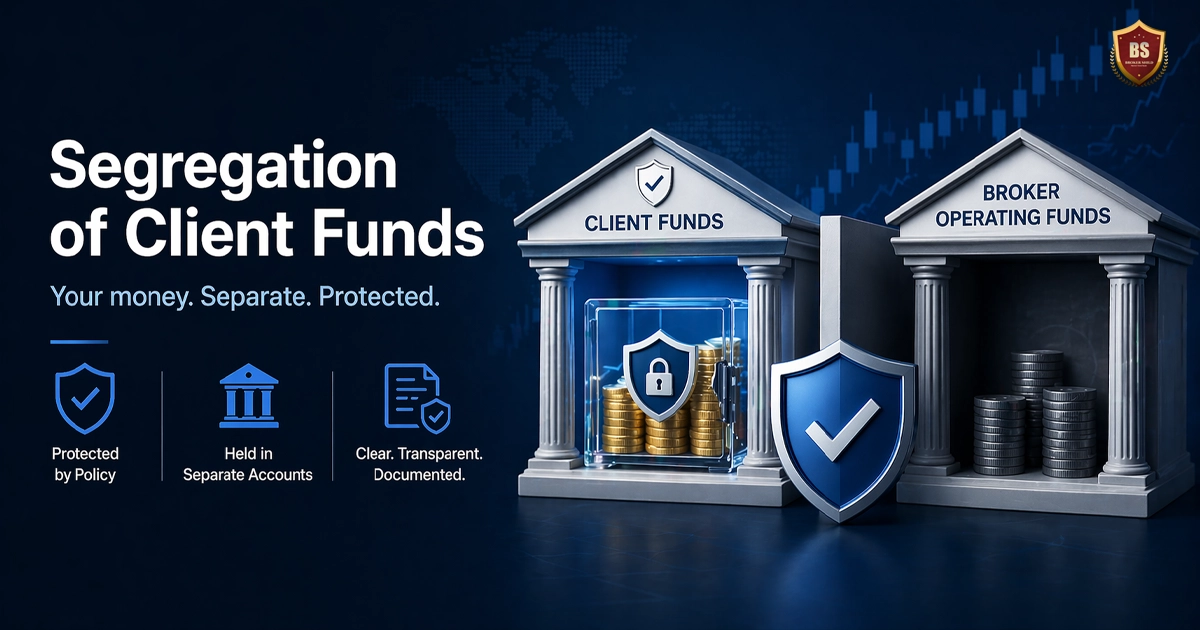
Your deposit should be held separately from the broker’s operating money. That does not remove all risk, but it helps prevent client money from being mixed into day-to-day business expenses.
If a broker is vague about where client funds are kept, that is a problem. A safer broker usually explains its fund handling clearly in account documentation and legal disclosures.
A broker with a long track record, clean regulatory standing, and the scale to maintain compliance systems is usually safer than a newly launched brand with aggressive promotions. Time matters. So does behavior over time.
Look for patterns, not slogans. Has the broker been operating for years under the same brand? Has it faced repeated regulatory actions, client complaints about withdrawals, or sudden changes in legal entity structure? A broker does not need to be the oldest in the market to be credible, but it should show consistency.
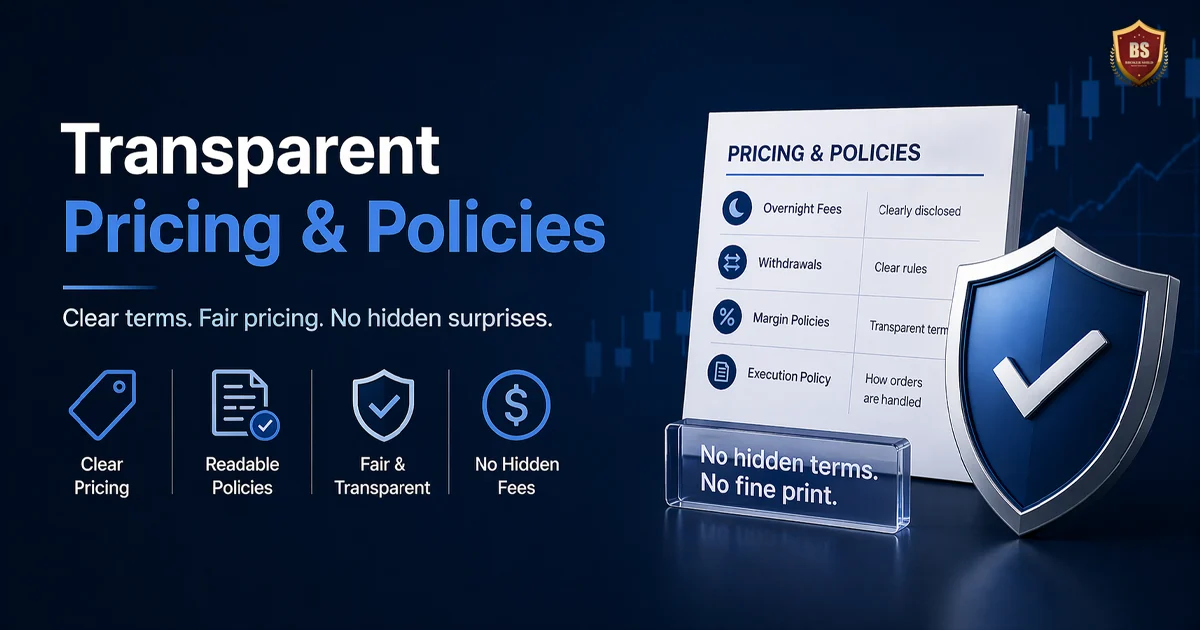
Unsafe brokers often hide behind complexity. That can show up as vague overnight fees, unclear withdrawal rules, opaque margin policies, or terms that seem to change when markets get volatile.
A safer broker is usually boring in the best way. Fees are disclosed. Account terms are readable. Execution policy is available. The broker explains how orders are handled instead of relying on generic claims about being trader-friendly.
This is where safety becomes real. A broker can pass the regulation test and still frustrate traders with slow withdrawals, repetitive verification demands, or support teams that disappear when money is leaving the account.
You want a broker with a documented pattern of normal withdrawal processing, responsive support, and clear funding rules. Delays can happen for legitimate compliance reasons, but they should be explainable and proportionate.
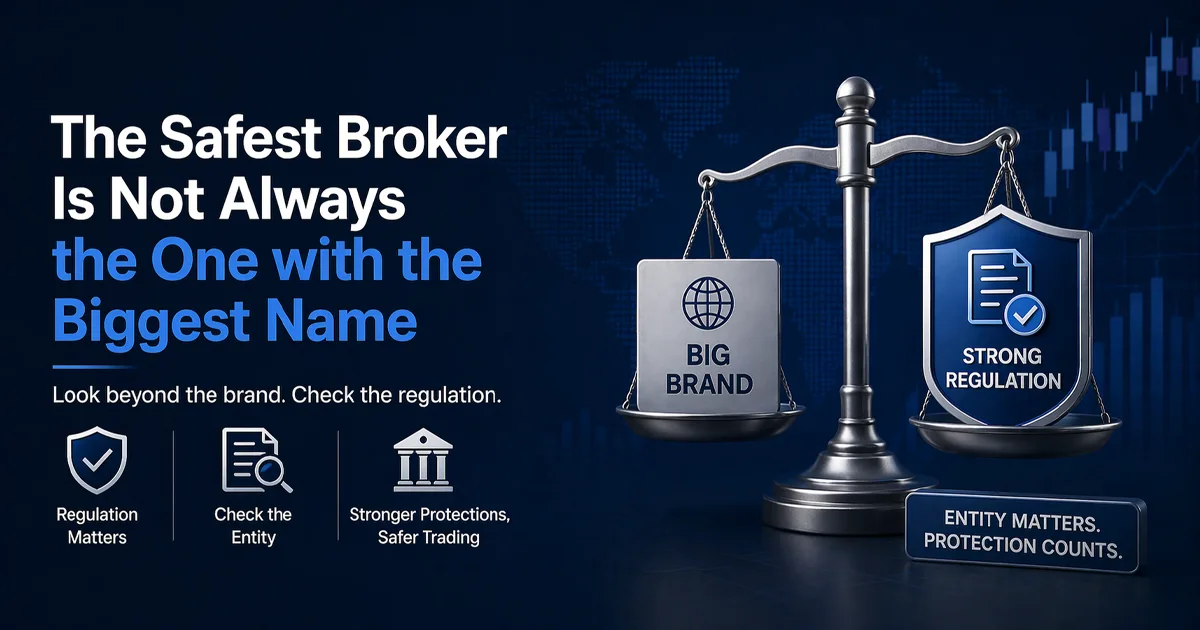
Brand recognition helps, but it should not replace due diligence. Some large brokers are genuinely well supervised and operationally mature. Others rely on brand familiarity while routing clients to offshore entities with weaker protections.
This is where many traders get caught. They see a familiar broker name, assume the safety profile is the same everywhere, and skip the entity-level check. That is a mistake.
If you are in the US, the safest path is usually to choose from brokers specifically authorized for US clients. If you are outside the US, compare the legal protections tied to the entity available in your country, not just the group brand.
For beginners, safety is partly about regulation and partly about reducing avoidable operational risk. A beginner is more vulnerable to confusing account terms, platform errors, and misleading promotions. That means the safest broker is often one with simpler account structures, strong educational support, responsive customer service, and fewer gimmicks.
High leverage can make a broker look attractive, but it increases risk dramatically. The same goes for deposit bonuses and pressure-based sales tactics. Brokers that compete mainly on excitement rather than transparency are rarely the safest choice for new traders.
A beginner should favor a broker that makes the rules easy to understand and does not push them into complex products before they are ready.
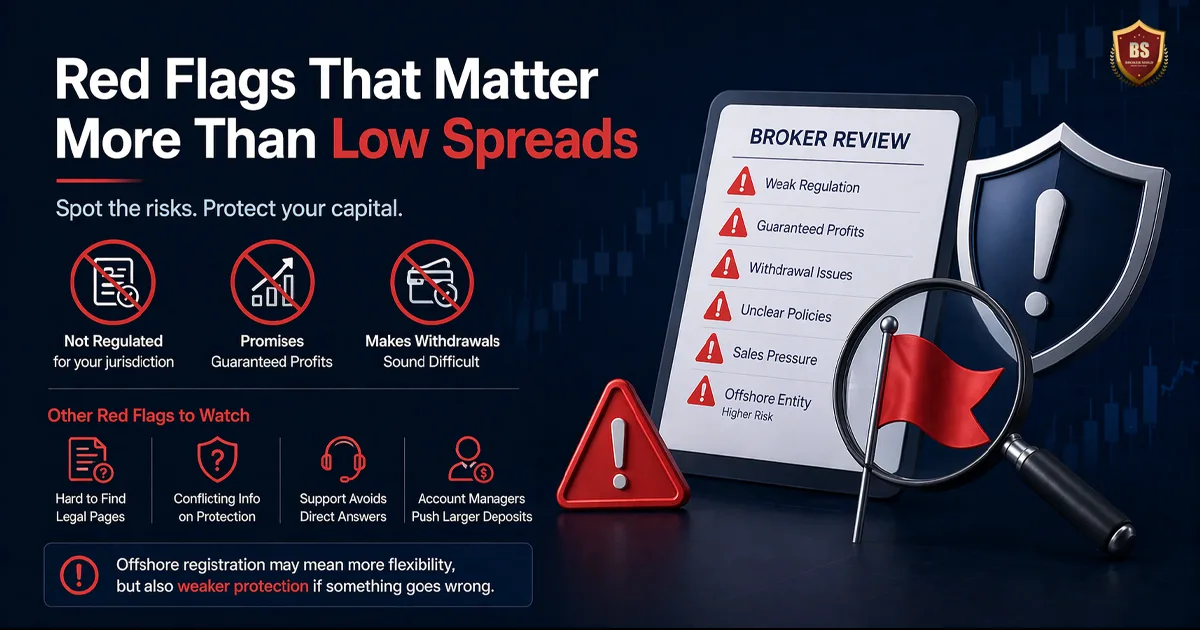
Some warning signs should end the review immediately.
If a broker is not clearly regulated for your jurisdiction, move on. If it promises guaranteed profits, move on. If it makes withdrawals sound difficult before you even open the account, move on.
Other red flags are more subtle. Watch for legal pages that are hard to find, conflicting information about account protection, customer support that avoids direct answers, or reviews that repeatedly mention account managers pushing larger deposits. That kind of pressure is not a minor service flaw. It often points to a sales-first culture that does not align with client safety.
Be cautious with offshore registrations used to bypass stricter local rules. In some cases, experienced traders knowingly accept that trade-off for different product access or leverage. But it is still a trade-off. More flexibility usually means weaker protection if something goes wrong.
The most reliable approach is to verify the broker in layers.
Start with the regulator. Confirm the license directly and make sure the entity is approved to take clients from your country. Then check the broker’s legal documents, funding policies, fee schedule, and execution disclosures. After that, look at account opening, verification standards, and withdrawal clarity. Finally, assess reputation through a pattern of evidence, not a handful of glowing testimonials.
This is where research platforms such as BrokShield can help narrow the field, especially when country availability, account entity, and hands-on testing all affect the real safety picture. But the final check should still be yours. You are the one funding the account.
A broker can be safe for one trader and a poor fit for another. A US trader should prioritize legal access, domestic oversight, and transparent forex conditions. A more experienced international trader may compare stronger offshore flexibility against stricter onshore protections. Neither choice is automatically correct in every case. It depends on what risks you are willing to accept.
That is why the safest broker is rarely the one with the loudest marketing. It is the one whose regulation, operating model, and account protections stand up to verification in your specific jurisdiction.
If you are still deciding which forex broker is safest, slow down before you deposit. A good broker will still look good after careful scrutiny. A bad one usually starts to crack the moment you ask precise questions.

Emma Thompson

Robert Walker