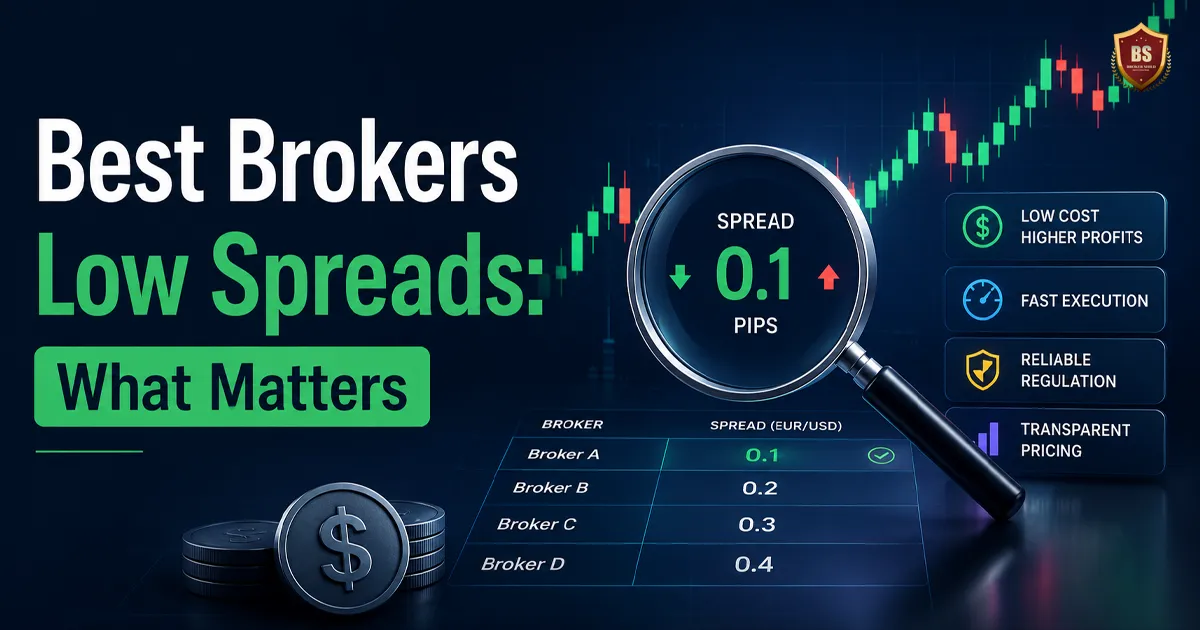
A broker advertising 0.0 pip spreads can still be expensive. That is the first thing experienced traders learn once they compare live conditions, commissions, slippage, and withdrawal costs side by side. If you are searching for the best brokers low spreads, the real question is not who shows the smallest number on a homepage. It is which broker delivers consistently competitive pricing under normal market conditions, without cutting corners on safety or execution.
For most traders, spread is the easiest cost to notice and the easiest one to misunderstand. A narrow spread matters, especially for scalpers, day traders, and anyone trading frequently. But spread alone does not tell you what a trade actually costs. Some brokers keep spreads low and charge a separate commission. Others widen spreads and promote commission-free trading. Neither model is automatically better. It depends on your strategy, account size, market, and how often you trade.
A useful comparison starts with the all-in trading cost. On forex pairs like EUR/USD, that means the average spread plus any commission charged per side or per lot. If Broker A offers a 0.1 pip average spread with a commission, and Broker B offers a 0.8 pip spread with no commission, the better option depends on the final round-turn cost, not the headline pricing format.
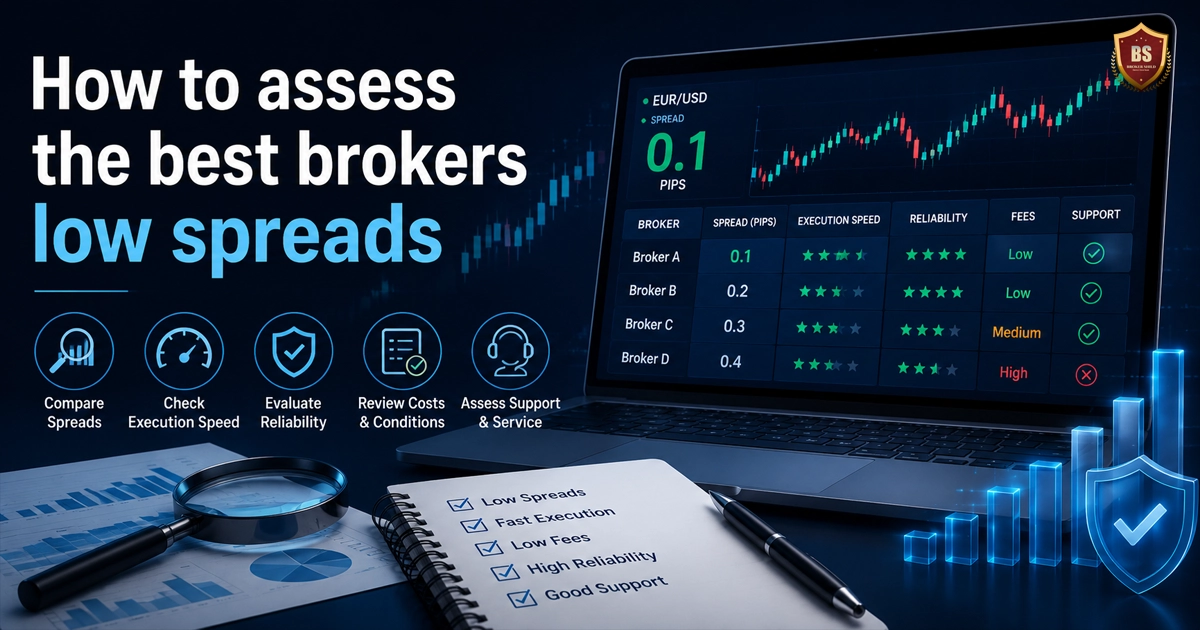
This is where many rankings become too simplistic. Minimum spreads are marketing numbers. Average spreads are more useful, but only are measovercross meaningful during the cross-trading hours and under standard market conditions. A broker that looks cheap during quiet sessions may become far less competitive during news events, market open, or periods of low liquidity.
Execution quality also belongs in the same conversation. A tight spread means less if you face repeated slippage, order delays, or frequent requotes. For active traders, execution can easily cancel out the benefit of a lower advertised spread. That is why serious broker analysis looks at pricing and execution together.
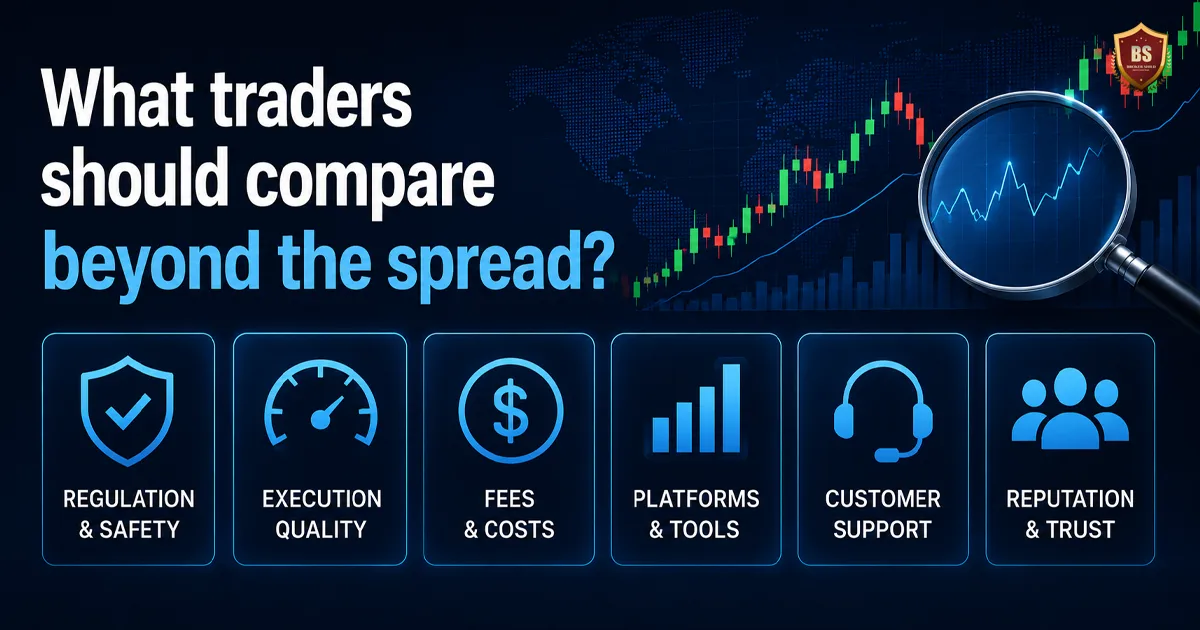
The best brokers for low spreads traders should consider are usually strong in four areas at once: regulation, pricing transparency, platform stability, and order execution. If one of those is weak, a low-cost structure becomes less valuable.
Regulation comes first. A broker with competitive spreads but weak oversight creates a different kind of risk. Traders in the US and globally should check whether the broker is authorized by a recognized regulator and whether account protections, complaint procedures, and operational standards are clearly stated. Reliable oversight does not make a broker perfect, but it sets a baseline for trust.
Then comes pricing transparency. A credible broker should explain whether you are using a spread-only account or a raw spread account with commission. It should be clear what instruments are included, whether swap charges apply for overnight positions, and whether inactivity, deposit, or withdrawal fees affect your total cost. Low spreads on a few major pairs do not help much if the rest of the fee structure is unclear.
Platform stability is less glamorous but just as practical. If you trade from MetaTrader, cTrader, TradingView integration, or a proprietary platform, fast and stable order handling matters. A cheap broker that struggles during volatility can become more expensive than a slightly pricier broker with more consistent performance.
A proper comparison should focus on the conditions you will actually trade. Major pairs often get the most attention, but many traders use gold, indices, crypto CFDs, or minor forex pairs. Pricing can vary sharply across asset classes. A broker may be highly competitive on EUR/USD and much less so on XAU/USD or NASDAQ CFDs.
Account type matters too. Standard accounts are often easier for beginners because costs are built into the spread and are easier to understand. Raw spread or ECN-style accounts can be better for active traders who want tighter pricing and do not mind paying commission separately. Neither is universally superior. A swing trader placing fewer trades may prefer simplicity. A high-frequency trader may prioritize every fraction of a pip.
Funding and base currency should not be overlooked, especially for traders in India, Southeast Asia, MENA, Africa, Europe, and Latin America. If your local payment methods are limited, or your account currency creates repeated conversion charges, the effective cost of using the broker goes up. Country-specific availability also matters. A low-spread broker that does not legally onboard clients from your region is not a realistic option.
In general, brokers offering raw spread accounts tend to show the tightest spreads on major instruments, especially during liquid sessions. These accounts typically charge a commission per trade. They are often preferred by scalpers, algorithmic traders, and traders who want pricing closer to underlying market conditions.
Standard accounts usually package the broker’s fee inside a wider spread. That can make costs easier to predict for newer traders, and in some cases, the difference is small enough that convenience outweighs the pricing gap. But if you trade often, the gap in cumulative cost can become meaningful over time.
Market maker versus agency-style execution is another area where labels can be confusing. Some market makers still offer competitive pricing and good execution. Some ECN or STP claims are mostly branding. What matters more is the broker’s real trading conditions, pricing consistency, and conflict-of-interest controls, not the label alone.
A broker becomes more credible when its pricing claims hold up under verification. That means published average spreads, clear commission schedules, no vague language around account conditions, and a trading environment that remains usable when volatility rises.
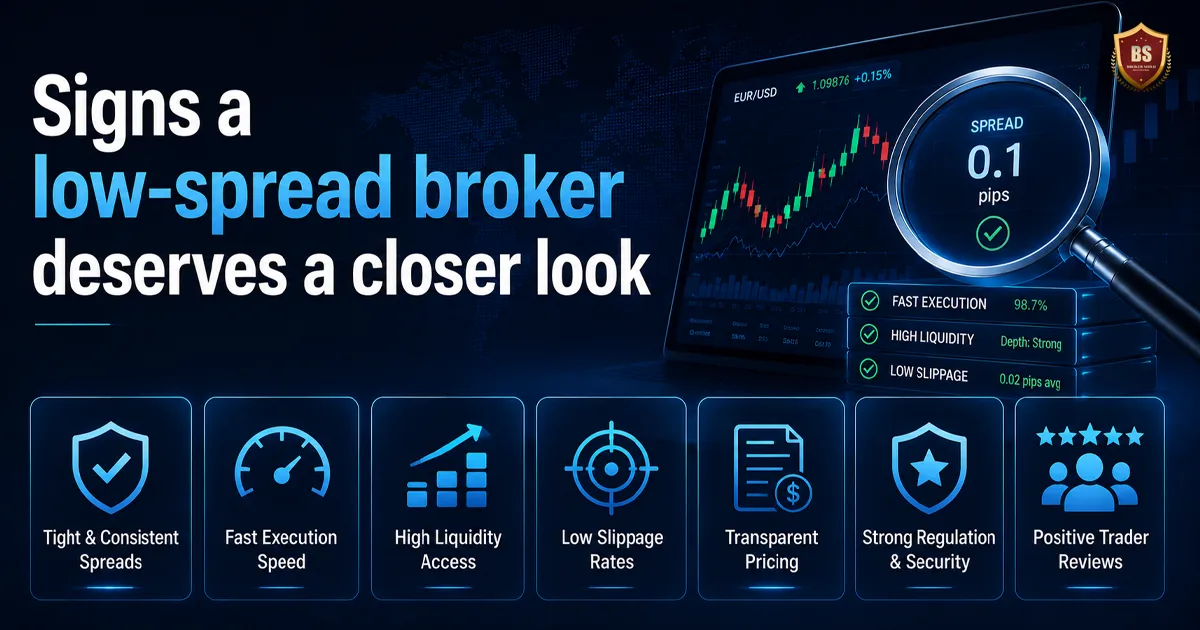
It also helps when the broker has a long operating history, clear legal entity information, and transparent regional restrictions. Many traders lose time comparing brokers that look attractive on price but are unavailable in their country, offer weaker investor protections under offshore entities, or change terms depending on the jurisdiction.
Support quality matters more than many reviews admit. If there is a pricing discrepancy, execution issue, or funding delay, responsive support becomes part of the overall broker experience. A low-cost account is not much comfort if operational problems take days to resolve.
This is one reason a structured comparison approach works better than promotional ranking pages. Platforms like Brokshield focus on evaluating brokers based on regulation, fees, trading conditions, and country availability rather than relying on broad marketing claims.
The biggest mistake is comparing minimum spreads instead of average live costs. The second is ignoring the commission. The third is choosing on price alone while overlooking regulation and execution.
Another common mistake is copying a broker’s choice from a trader in a different region. A broker that works well for a user in Europe may offer different leverage, payment methods, client protections, or even a different legal entity for traders in Africa or Latin America. Those differences can change the entire value proposition.
Traders also tend to underestimate strategy fit. If you hold positions overnight, swap rates may matter more than a slightly tighter spread. If you trade around news events, execution quality and slippage control may be more important than the difference between 0.2 and 0.5 pips. If you are just starting, a clean interface and transparent fee structure may save you more money than the absolute lowest pricing.
Start with safety. Remove any broker that lacks strong regulatory standing or clear legal disclosures. Then compare account types based on your strategy, not on advertising. Look at average spreads on the instruments you trade most, add the commission if applicable, and check for non-trading fees that could affect your total cost.
After that, assess execution conditions. Review platform options, order types, mobile usability, and whether the broker supports the tools you need for charting, automation, or copy trading. Finally, confirm local availability, supported payment methods, and account currency options.
This process takes longer than reading a top-10 list, but it produces better decisions. A broker with slightly higher spreads can still be the smarter choice if it offers stronger regulation, better execution, clearer pricing, and smoother access in your country.
Finding the right broker is rarely about chasing the lowest number on a landing page. It is about choosing a broker whose pricing stays competitive when you are actually trading, whose rules are clear before you deposit, and whose setup fits the way you trade.

Emma Thompson

Robert Walker