FreshForex Review 2026: Is FreshForex Safe or a Scam? ⚠️ High-Risk Broker Review 2026 FreshForex Review 2026: Is FreshForex Safe or a Scam? Is FreshForex Safe or High Risk? This…
Multi-Asset Broker Guide 2026 Best Broker for Forex and Stocks A practical framework for comparing multi-asset brokers by regulation, total cost, platform quality, forex execution, stock market access, funding, withdrawals,…
Broker Execution Guide ECN Broker vs Market Maker: What Is the Difference? A practical comparison of how ECN brokers and market makers price trades, execute orders, earn revenue and manage…
Search Standard Account vs Raw Spread: Which Account Type Is Cheaper? 📅 Updated: May 2026 ⏱ 11 min read ✍️ BrokShield Research Team A broker can advertise “tight spreads” and…
Best Forex Brokers for Day Trading 📅 Updated: May 2026 ⏱ 13 min read ✍️ BrokShield Research Team The gap between a workable day trading strategy and a frustrating one…
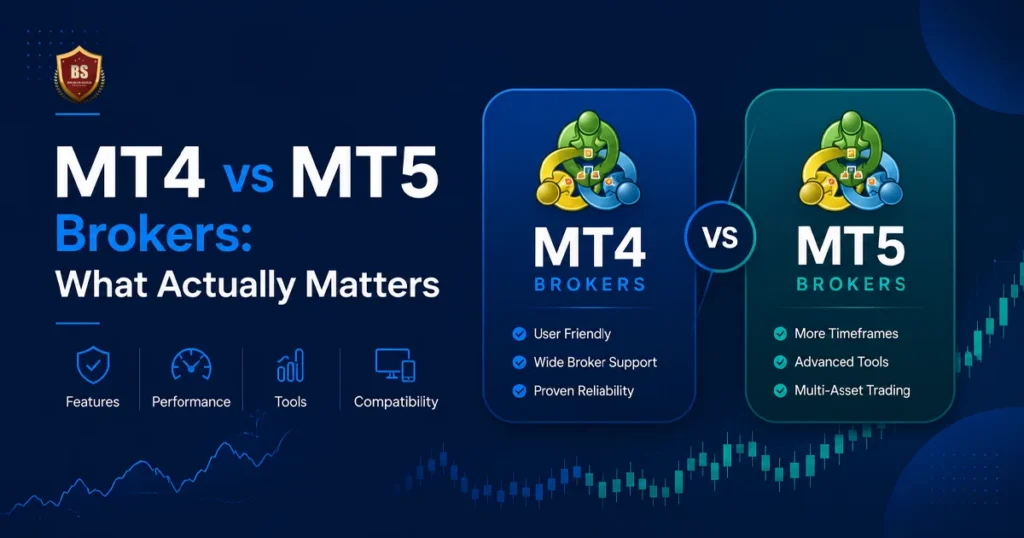
Search Platform Comparison MT4 vs MT5 Brokers: Which Platform Actually Fits Your Trading Style? 📅 Updated: May 2026 ⏱ 12 min read ✍️ BrokShield Research Team The MT4 vs MT5…
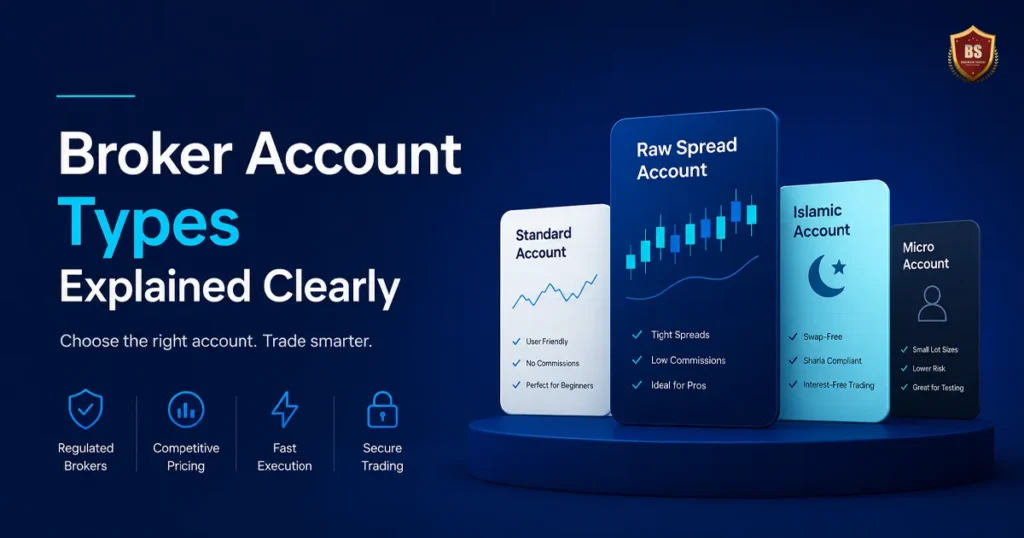
Search Broker Education Broker Account Types Explained Clearly 📅 Updated: May 2026 ⏱ 10 min read ✍️ BrokShield Research Team One trader opens a standard account because the minimum deposit…
Search Broker Education Demo Account Broker Guide: How to Test Brokers Before Risking Real Money 📅 Updated: May 2026 ⏱ 11 min read ✍️ BrokShield Research Team A demo account…
⚠️ Offshore Broker Review 2026 4XC Review 2026 Is 4XC Safe or a High-Risk Offshore Broker? This 4XC review analyzes the broker’s regulation status, leverage, transparency, trading conditions, and overall…
Table of Contents 9 Best Brokers for Small Deposits 📅 Updated: May 2026 ⏱ 10 min read ✍️ BrokShield Research Team Starting with $10, $50, or $100 changes the broker…
Search How Broker Regulation Protects Traders 📅 Updated: May 2026 ⏱ 9 min read ✍️ BrokShield Research Team A broker can advertise tight spreads, fast execution, and hundreds of instruments,…
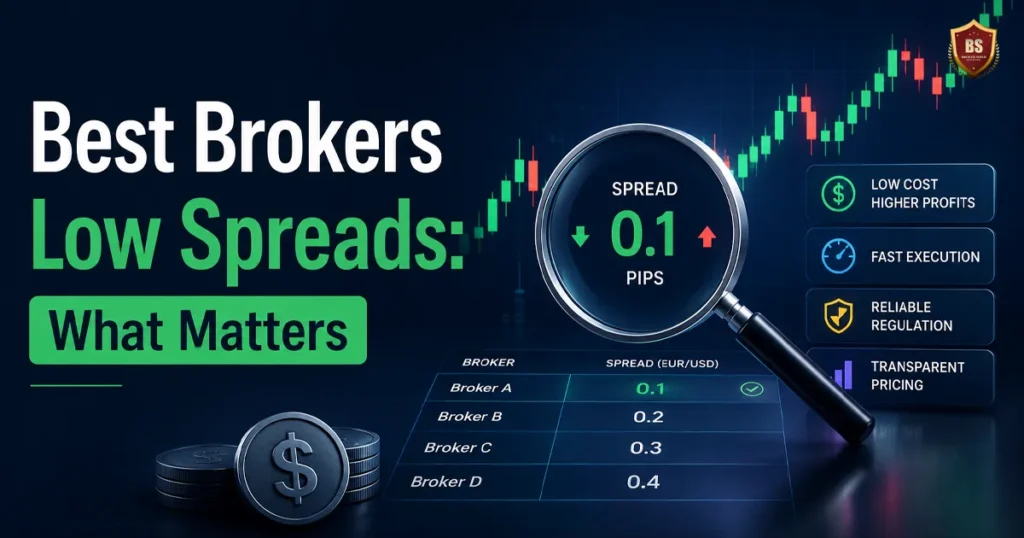
Search Best Brokers Low Spreads: What Matters A broker advertising 0.0 pip spreads can still be expensive. That is the first thing experienced traders learn once they compare live conditions,…
Search Forex Broker Selection Guide for Traders A broker can look competitive on the surface and still be the wrong fit once you check execution, funding rules, or whether the…
Search Best Broker for Copy Trading: What to Check Copy trading usually looks simple right up to the point where real money is involved. You find a strategy provider with…
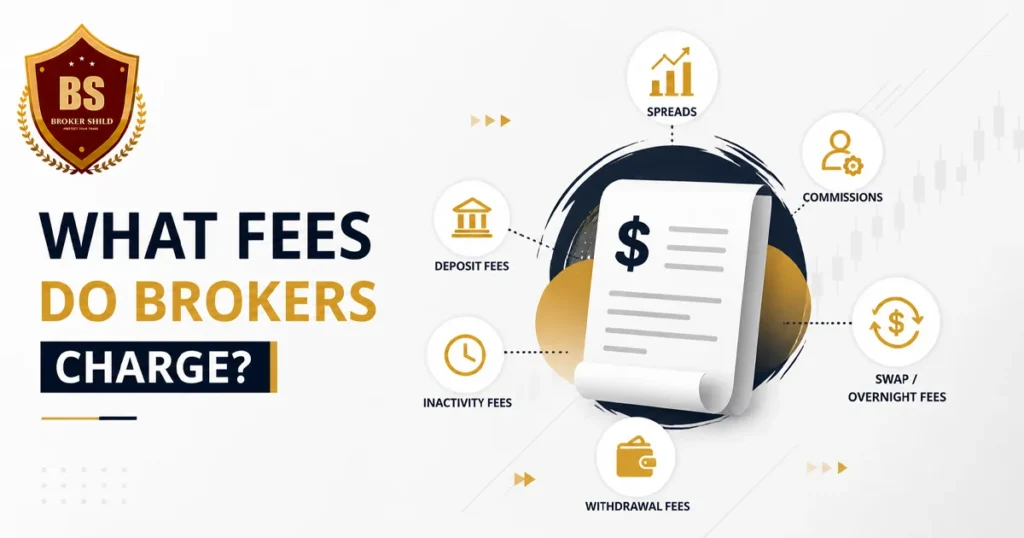
Search What Fees Do Brokers Charge? A broker can look cheap at first glance and still cost more over time than a competitor with a higher advertised rate. That is…
Search Best Broker for Swing Trading in 2026 A swing trader can tolerate a little more spread than a scalper. But a bad broker still shows up on every trade.…
The Trading Strategies category on BrokShield helps traders understand different approaches to forex and CFD trading, from trend-following and breakout trading to scalping, swing trading, risk management, and strategy selection. This section is built for traders who want structured, practical strategy education instead of random signals or unrealistic profit claims.
Why Trading Strategies Matter
A trading strategy gives traders a defined plan for entering, managing, and exiting positions. Without a strategy, decisions often become emotional, inconsistent, and heavily influenced by short-term market noise. A proper strategy helps traders understand when to trade, when to wait, how much to risk, and how to evaluate performance over time.
Trading strategies do not guarantee profits, but they can improve discipline and reduce impulsive decision-making. The goal is not to find a perfect system, but to build a repeatable process that matches your market knowledge, account size, risk tolerance, and trading schedule.
Popular trading approaches include trend-following, range trading, breakout trading, scalping, day trading, and swing trading. Each method has different requirements. Scalping usually needs fast execution and low trading costs, while swing trading may require patience, wider stop-losses, and a stronger understanding of market context.
Strategy choice should also depend on the trader’s preferred markets. Forex traders may focus on currency pairs and macroeconomic news, while CFD traders may also analyze gold, oil, stock indices, or crypto CFDs. Before choosing a broker, traders should check spreads, commissions, slippage, platform tools, and execution reliability.
Risk Management Comes Before Strategy
Many traders search for the best trading strategy while ignoring risk management. This is a major mistake. Even a strong strategy can fail if position sizing, leverage, stop-loss discipline, and emotional control are weak. Risk management determines how much capital is exposed when the market moves against a trade.
Before testing any strategy, traders should understand basic risk rules such as limiting risk per trade, avoiding overleveraging, tracking results, and reviewing whether the strategy performs differently during high-volatility news events.
Important: No trading strategy removes market risk. Always test strategies carefully, use responsible position sizing, and avoid relying on guaranteed profit claims or unverified trading signals.
How BrokShield Helps Traders Compare Strategy Conditions
Different brokers can affect strategy performance through spreads, commissions, swaps, platform stability, and execution speed. A strategy that looks profitable on paper may perform poorly if trading costs are too high or if order execution is unreliable.
That is why BrokShield connects trading education with broker analysis. You can compare broker conditions through our Broker Reviews, explore basic concepts in Trading Basics, and review safety principles in Risk and Safety.
Who Should Use This Category?
The Trading Strategies category is useful for beginner traders learning how strategies work, intermediate traders improving discipline, and experienced traders reviewing different approaches to forex and CFD markets. The focus is practical education, not hype.
You can continue reading our latest strategy guides below and combine them with broker comparisons before choosing where to trade.
Trading Strategies FAQ
A trading strategy is a defined plan for entering, managing, and exiting trades. It usually includes market conditions, entry rules, risk management, and exit criteria.
Beginners usually benefit from simple strategies that focus on trend direction, risk control, and fewer trades. Complicated systems can be harder to follow without strong trading basics.
No. Trading strategies can improve structure and discipline, but they do not guarantee profits. Market risk, execution quality, costs, and trader behavior all affect results.
Risk management helps limit potential losses and protect trading capital. Without proper risk control, even a good strategy can lead to large drawdowns.
Yes. Spreads, commissions, slippage, swaps, and execution speed can directly affect strategy performance, especially for scalping, day trading, and high-frequency approaches.