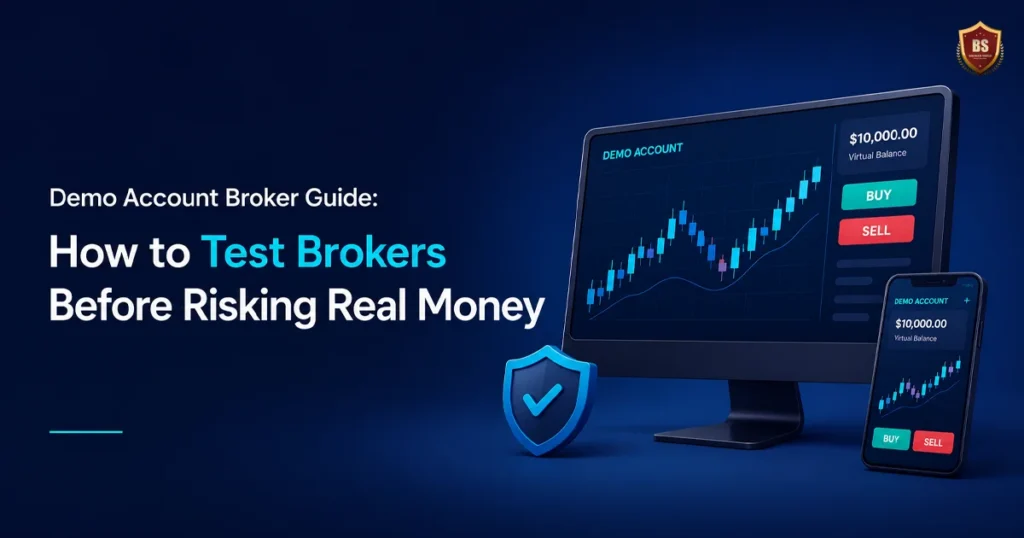
Search Broker Education Demo Account Broker Guide: How to Test Brokers Before Risking Real Money 📅 Updated: May 2026 ⏱ 11 min read ✍️ BrokShield Research Team A demo account…
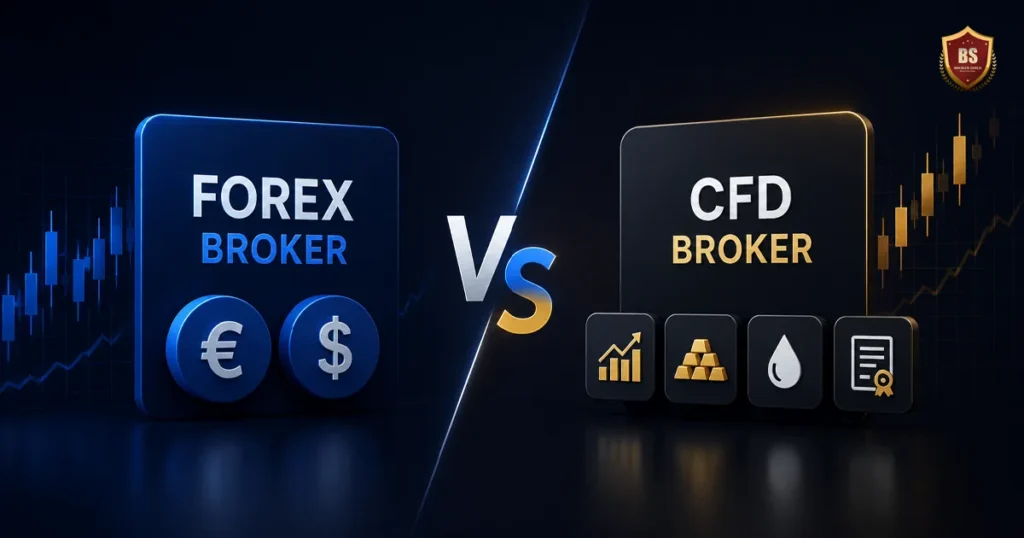
Search Forex Broker vs CFD Broker: 7 Key Differences That Actually Matter 📅 Updated: May 2026 ⏱ 10 min read ✍️ BrokShield Research Team The forex broker vs CFD broker…
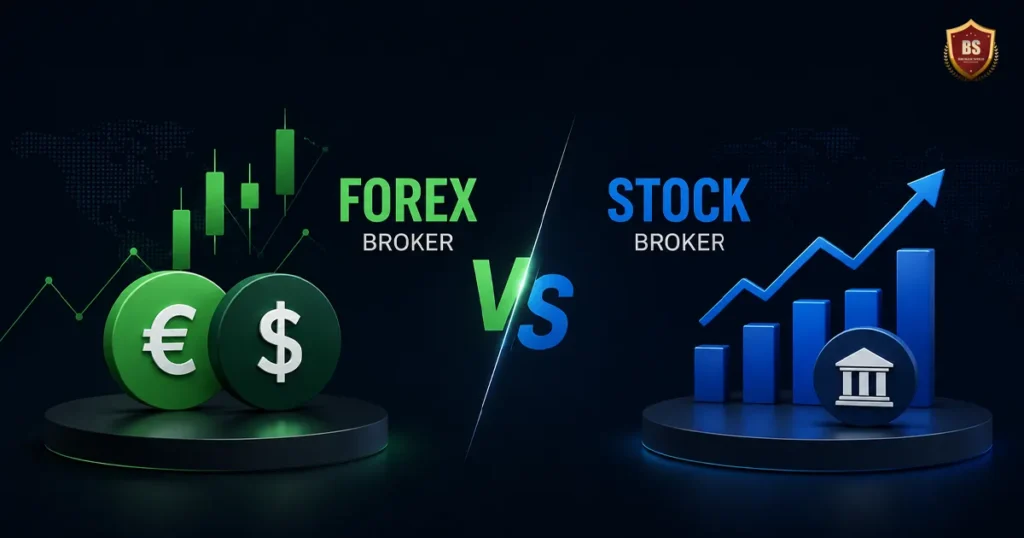
Search Forex Broker vs Stock Broker: Key Differences Choosing between a forex broker vs stock broker is not just about picking a platform with a clean app or low-advertised fees.…
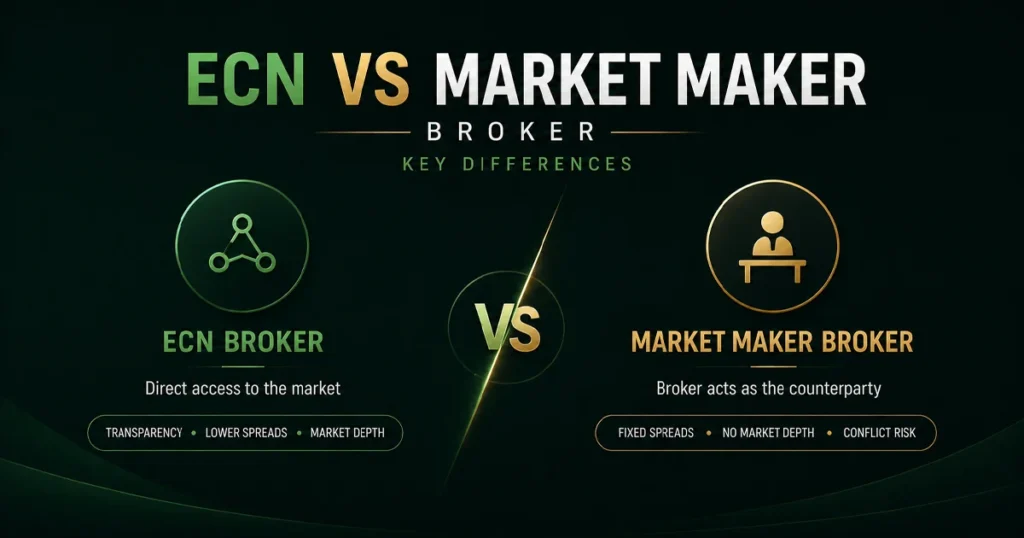
Search ECN vs Market Maker Broker: Key Differences If two brokers show the same EUR/USD pair on the same platform, the trading experience can still be very different. That is…
The Trading Basics category on BrokShield is designed for beginner traders who want to understand how financial markets work before risking real money. This section covers the essential concepts of forex and CFD trading, including leverage, spreads, pips, margin, broker types, trading platforms, and risk management.
Why Learning Trading Basics Matters
Many new traders open accounts before understanding how markets actually work. They may focus only on leverage, social media signals, or promises of fast profits without understanding trading costs, volatility, or broker risks. Learning the basics first helps traders build stronger expectations and avoid common beginner mistakes.
Trading is not only about predicting price direction. Traders also need to understand execution, risk exposure, position sizing, and market conditions. Even simple concepts such as spread costs, stop-loss placement, and leverage can significantly affect long-term trading performance.
Before opening a live trading account, beginners should understand the structure of the forex and CFD markets. Important topics include currency pairs, leverage, lot sizes, pips, margin requirements, execution speed, spreads, and the role of regulation.
It is also important to understand the differences between broker models, including market makers, ECN brokers, and STP execution. These details can affect spreads, slippage, execution quality, and overall trading experience.
You can also explore our Broker Reviews section to compare how different brokers handle platforms, pricing, account types, and regulation.
Trading Psychology and Risk Management
One of the biggest beginner mistakes is ignoring risk management. Emotional trading, overleveraging, revenge trading, and unrealistic profit expectations often lead to losses even when traders understand basic market concepts.
Strong trading discipline usually matters more than finding a “perfect” strategy. That is why BrokShield focuses not only on education, but also on helping traders understand realistic expectations and long-term risk control.
Important: Most beginner traders lose money because they underestimate risk and overuse leverage. Always start with proper education, demo trading, and realistic position sizing.
Who Should Use This Category?
The Trading Basics section is ideal for new forex and CFD traders who want to build foundational knowledge before trading with real capital. Intermediate traders can also use these guides to improve understanding of broker conditions, execution quality, and trading mechanics.
You can continue reading our latest beginner guides below, compare brokers through the Comparison section, or analyze broker safety in our Risk and Safety category.
Trading Basics FAQ
Forex trading involves buying and selling currency pairs based on exchange rate movements. Most retail traders access the forex market through online brokers using leveraged trading accounts.
Leverage allows traders to control larger market positions using smaller amounts of capital. While leverage can increase profits, it also increases potential losses.
The spread is the difference between the buy price and sell price of a trading instrument. It represents one of the main trading costs in forex and CFD trading.
Yes. Demo accounts help beginners practice trading, understand platform functionality, and test risk management without risking real money.
Common reasons include poor risk management, emotional trading, excessive leverage, unrealistic expectations, and lack of market education.