
Forex score ⭐ 9.5/10
Forex score ⭐ 9.2 / 10
Forex score ⭐ 8.9/10

Forex score ⭐ 8.8 / 10

Forex score ⭐ 8.8 / 10

Forex score ⭐ 8.7 / 10

Forex score ⭐ 8.5 / 10

Forex score ⭐ 8.3 / 10

Forex score ⭐ 8.2 / 10

Forex score ⭐ 8.0 / 10
Most Dutch traders find their best fit among four main types of brokers
Still, picking the top broker really hinges on what matters more to you – costs, tools built into the platform, which markets you can reach, how simple it is to navigate, holding investments over years, or jumping in and out with CFDs. Sometimes clarity comes not from features but from matching a service to your actual habits.
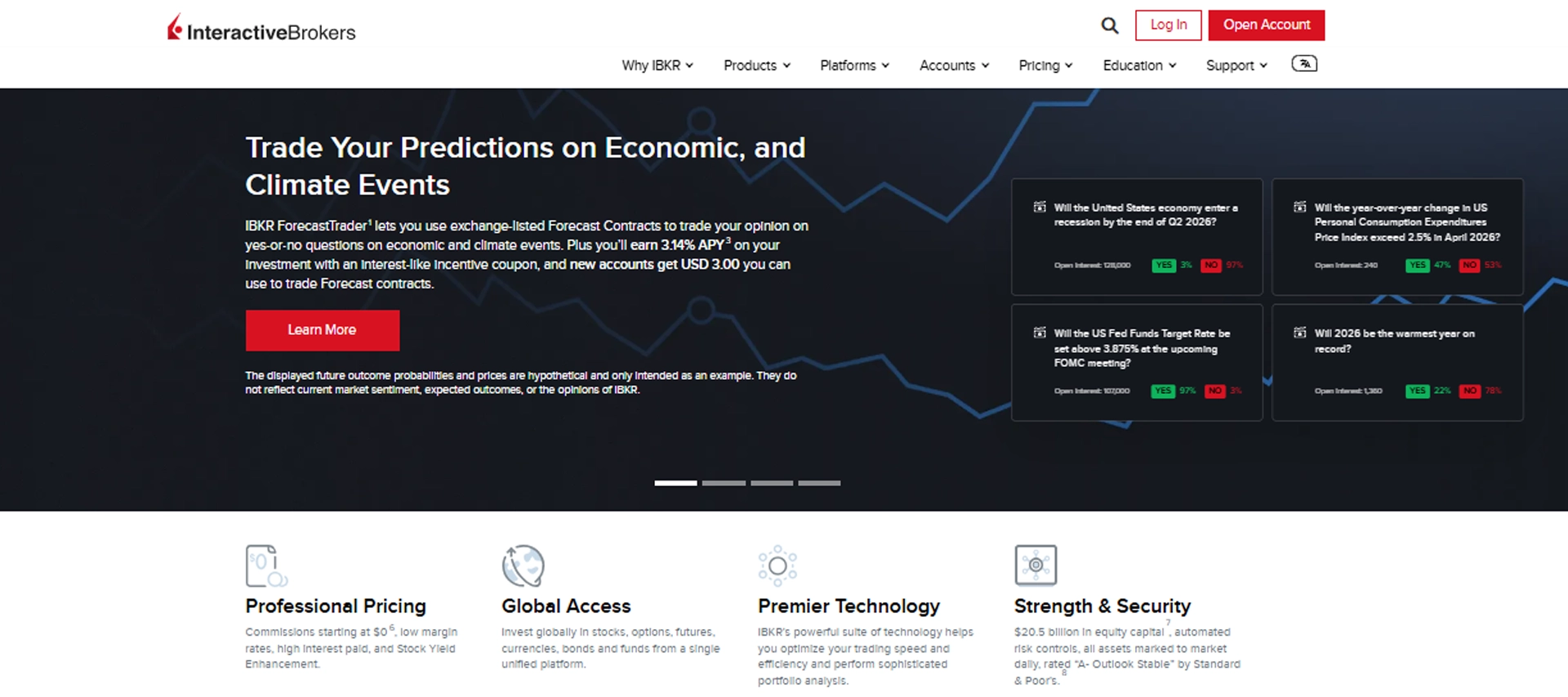
When it comes to Dutch traders who prefer high-level tools and deep market reach, Interactive Brokers stands out. Its mix of features supports everything from basic trades to intricate strategies. Instead of locking users into rigid setups, the firm offers Client Portal, Trader Workstation, IBKR Desktop, and mobile access – covering nearly every need. Because these platforms link together smoothly, shifting between devices feels natural. One thing helps newcomers:
you do not have to put down a large sum to begin.
Opening a cash account requires no minimum deposit.
This opens doors for those testing the waters without pressure. Global markets are within reach right from the first login. Complexity does not pile up just because capabilities grow. Even as demands evolve, the system adapts quietly behind the scenes. Few competitors match this blend of flexibility and depth. Access stays wide, whether focused locally or branching overseas.
Tools remain responsive even when tasks get demanding. Users keep control without facing steep learning curves. From setup onward, the experience favors clarity over clutter. The absence of upfront cost removes one common hesitation. Traders build confidence gradually, using real conditions. Over time, small steps can lead to broader engagement. Institutional-grade resources sit available without gatekeeping. Performance holds steady across different usage styles. Not many services balance simplicity and power so evenly. Starting modestly does not mean sacrificing future options. Freedom to scale emerges naturally through design. No extra hurdles appear once activity increases. Everything aligns toward sustained usability. Precision matters more than flashy extras here. Behind the interface, infrastructure runs tight and efficient. Opportunities widen without forcing change on the user. Experience grows richer simply by doing.
Advanced traders find it fits well. Global market reach goes deep, opening doors beyond basics. Multi-asset investors work across zones without hiccups. Professionals rely on its structure when precision matters most. Those aiming far into worldwide markets stay covered
What lifts its score? A deep toolkit stands out. The variety of products covers wide needs. People trust it more because names matter. Costs stay low without cutting quality Interactive Brokers review 2026.
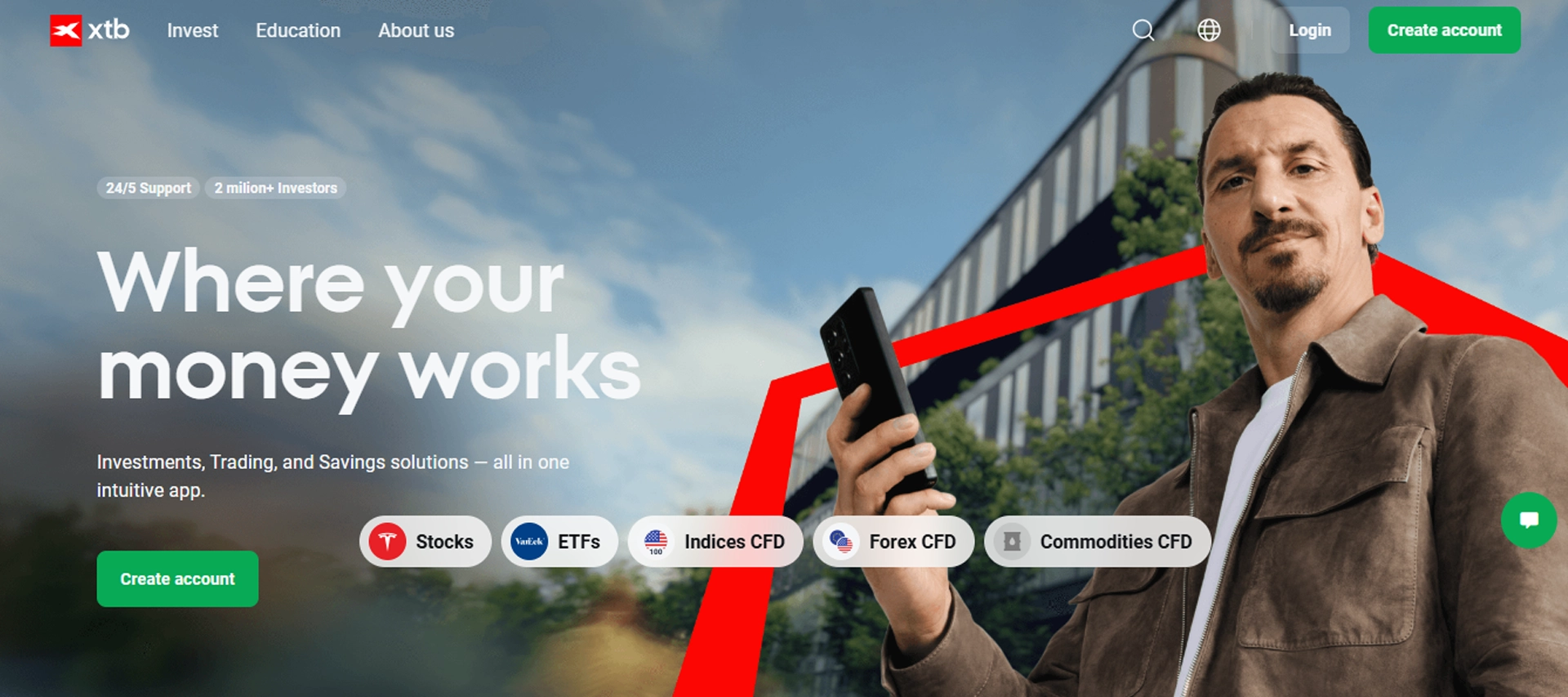
For Dutch traders who value simplicity, clear pricing, and a single provider for both investments and CFDs, XTB stands out. Not many brokers offer such straightforward access, yet this one manages it through its solid in-house system called xStation. While several firms claim low fees, here commissions vanish entirely on stock and ETF trades – up to €100,000 per month in volume. Beyond that point, charges shift to 0.2%, never dropping below a set floor. Opening an account? No cost at all. Certain deposit and withdrawal options come without extra fees too – a detail that adds real-world convenience. Though not flawless, these features shape a service built around actual usage.
Perfect if you’re just starting out with small investments. A smooth experience suits those trading regularly. People in the Netherlands might like how simple it feels to use
What lifts it up? Smooth to use, prices hold firm, fits Europe well, designs you can reach. XTB review 2026 internal link
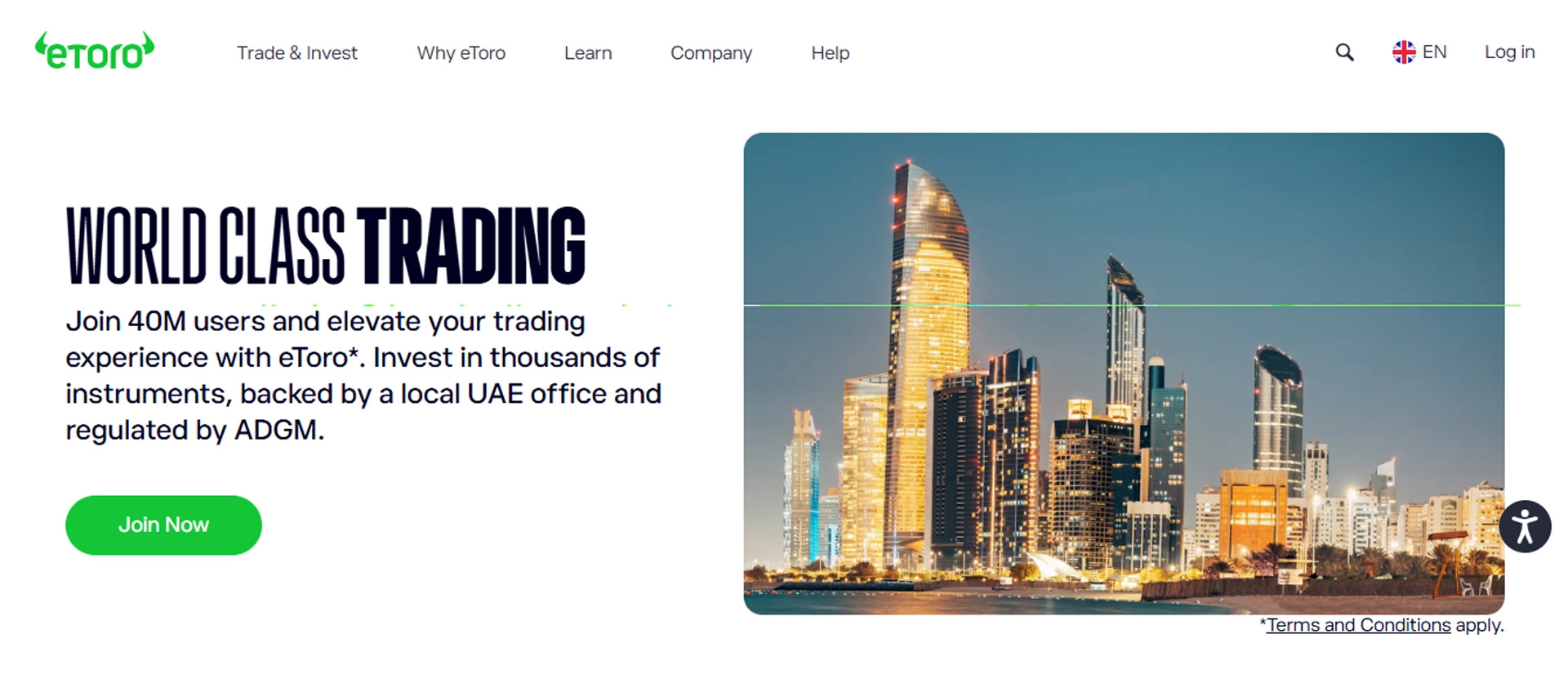
Most newcomers find eToro easy to get started on – its layout just works without needing too much thought. What stands out isn’t flashy tech but how smoothly people connect, follow others, or mirror trades through CopyTrader. That network effect? Hard for rivals to match. Depending on where someone lives, putting down $50 might cover the opening step, yet rules differ across regions so checking local terms makes sense before moving forward.
Perfect if you’re just starting out. Great for those who care about social impact investing. Ideal when copying trades feels right. Smooth experience for anyone wanting simplicity
What puts it near the top? The flow just makes sense. Social tools work well together, almost like they’ve always been there. Getting started takes little effort because everything shows up when needed
Read our full eToro review 2026
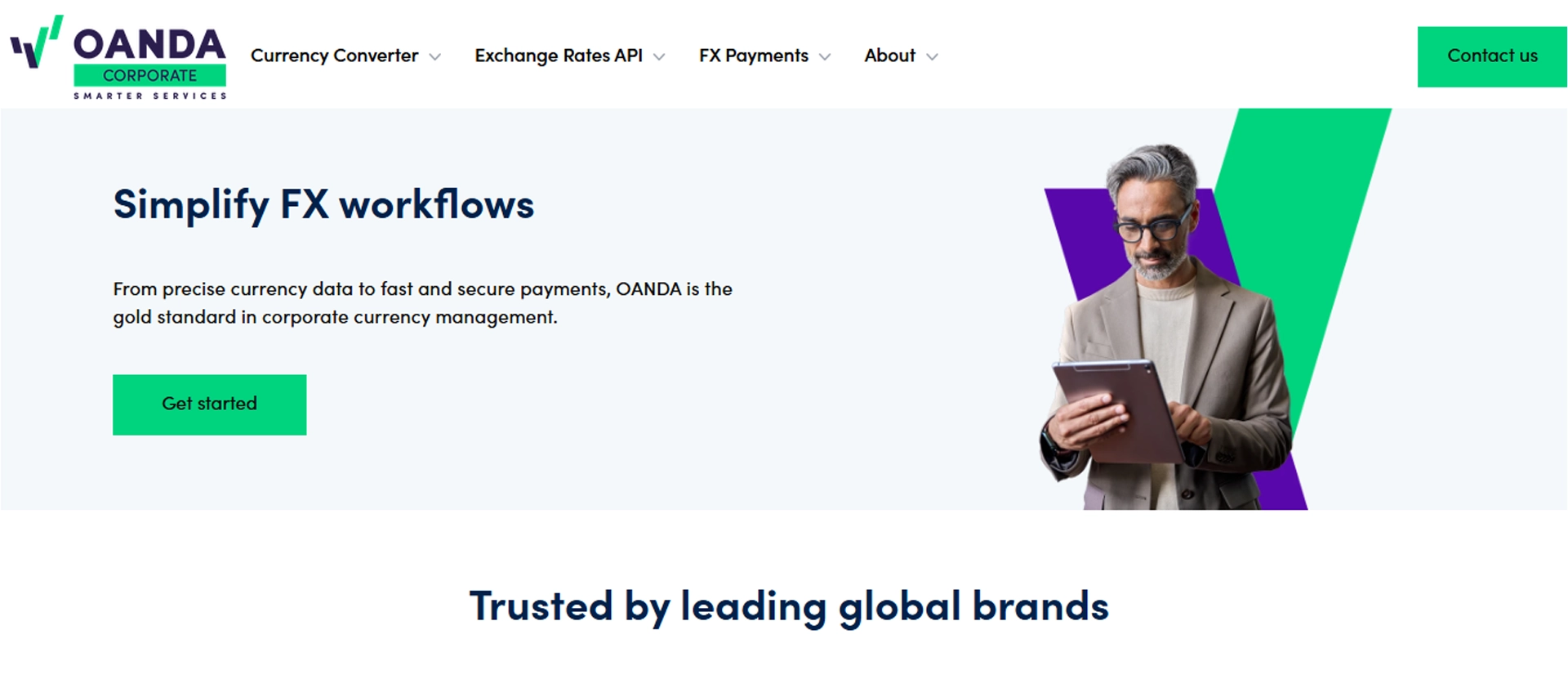
Still clear after all these years, OANDA fits those wanting less clutter without hidden layers. Payment options across its European site list card use alongside wire moves plus fast banking links, starting at twenty-five euros through select paths. Certain help sections mention empty accounts allowed – no enforced entry sum or ongoing floor tied to ownership type. What you actually need to start shifts based on where the license sits and how money enters. Not every route asks for cash up front, yet structure shapes what applies when funds flow.
Just right if you’re starting out – works well for those trading forex on their own terms, too. Fits anyone looking for something less complex without extra features getting in the way
What lifts it up? Getting started does not take much effort. Money paths exist without heavy hurdles. The way it shows up feels clear, almost natural. A name you recognize right away, standing without confusion
Read our complete OANDA review for 2026.
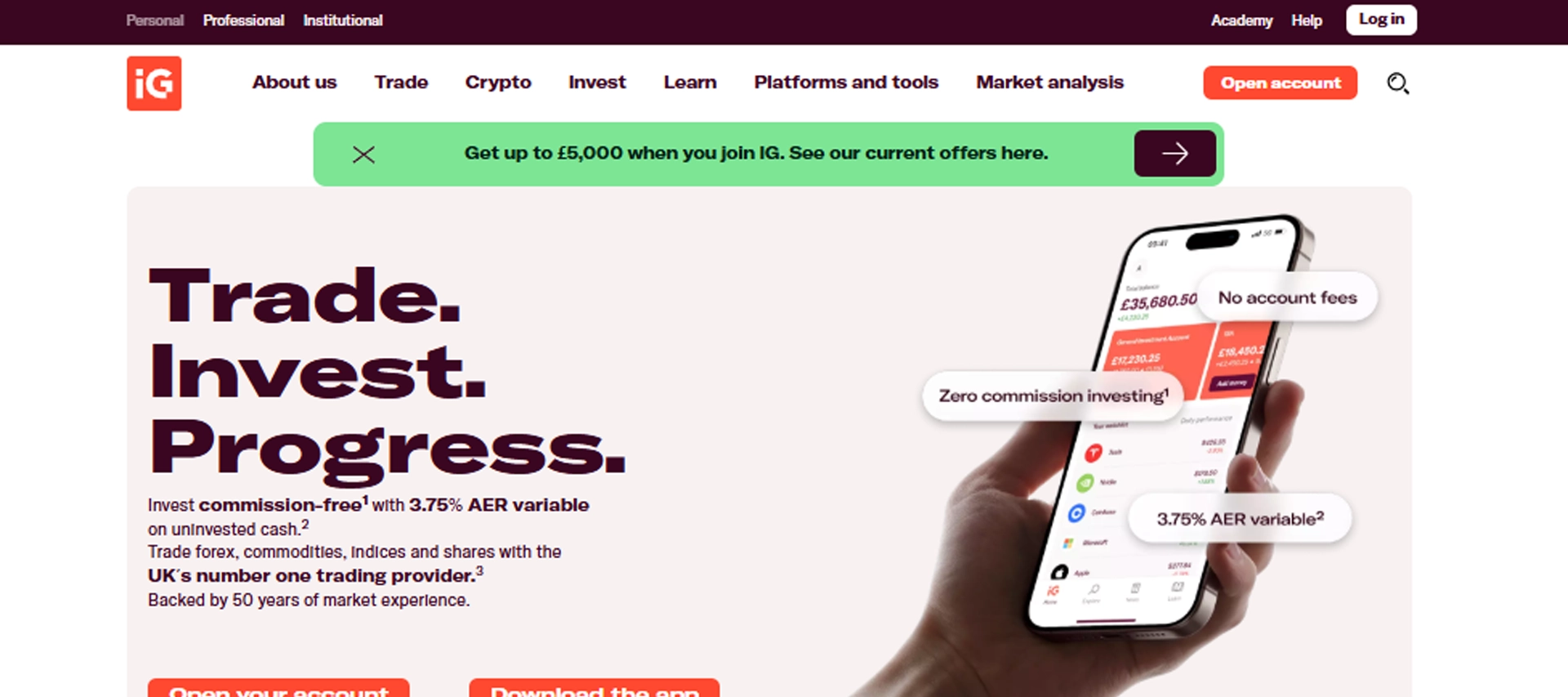
When it comes to Dutch traders, IG stands out as a solid choice – big name, wide markets, reliable tools. Depositing by card starts at fifty dollars, but wiring money has no set floor. For those moving bigger sums through transfers, that setup makes sense. A known presence in finance, IG brings years of operation into play. Trust matters when picking where to trade, especially with real funds on the line.
Perfect if you trade regularly, need wide market access, thrive on deep analysis
What puts it near the top? A well-known name helps. Alongside that, wide range of services adds weight. Then there is the established tech setup – years in the making. Each piece plays a part.
Read our full IG review 2026.
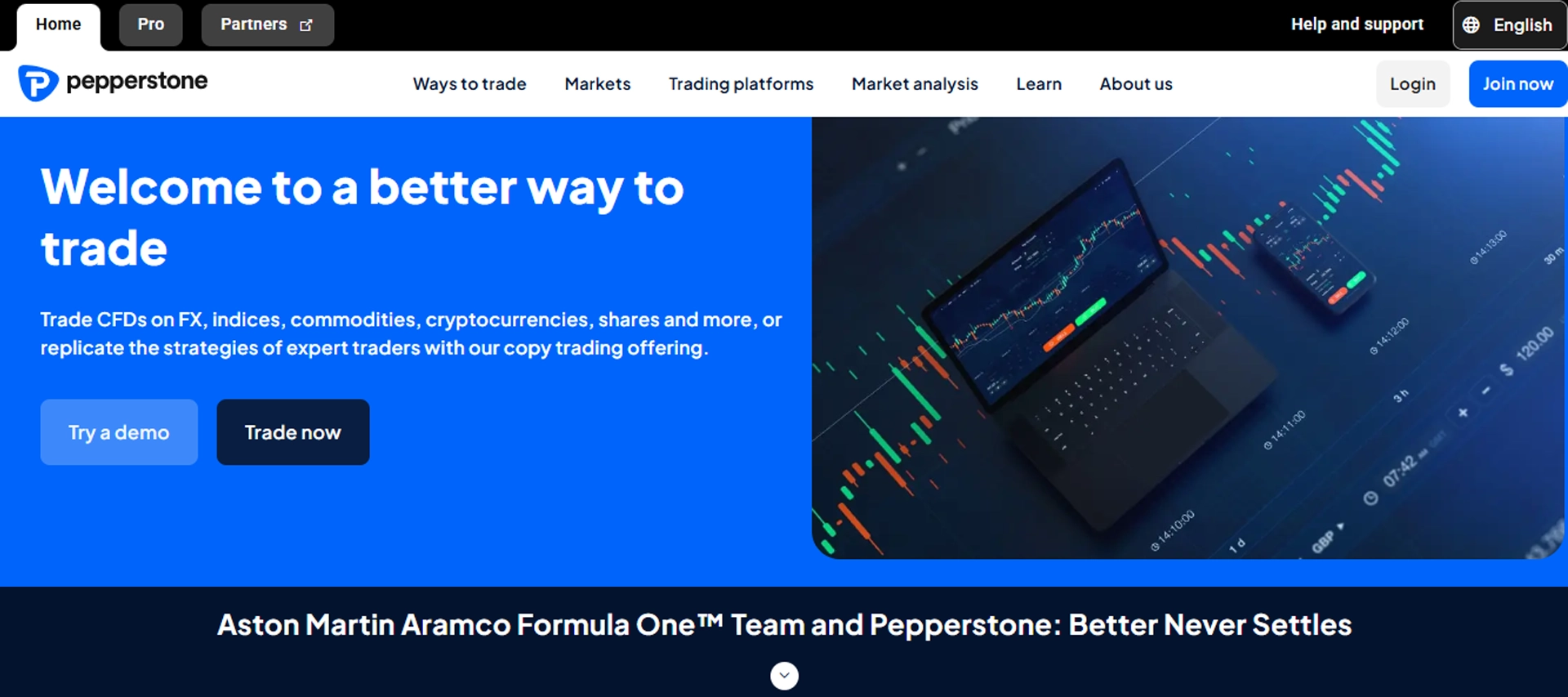
Among brokers, Pepperstone stands out when speed matters. Fast fills happen often here. Traders pick it not only for tools but because platforms behave well under pressure. MT4 stays supported. So does MT5. cTrader runs smooth. Even TradingView links without fuss. Some users prefer that mix instead of hunting tiny spreads alone. Smooth charts matter more sometimes. Workflow fits together naturally across devices. Desktop works. Mobile holds up. Web version loads quick. The European site highlights these access points clearly. Each gateway opens fast.
Perfect if you trade fast, make quick moves, spend hours on charts. Suits those glued to their screens. Built for people who live inside trading software all day
What pushes it up the list? A system that bends without breaking. This fits folks who move fast, act quick. Not rigid at all – adapts on the fly, works with how you operate
Pepperstone Review 2026.
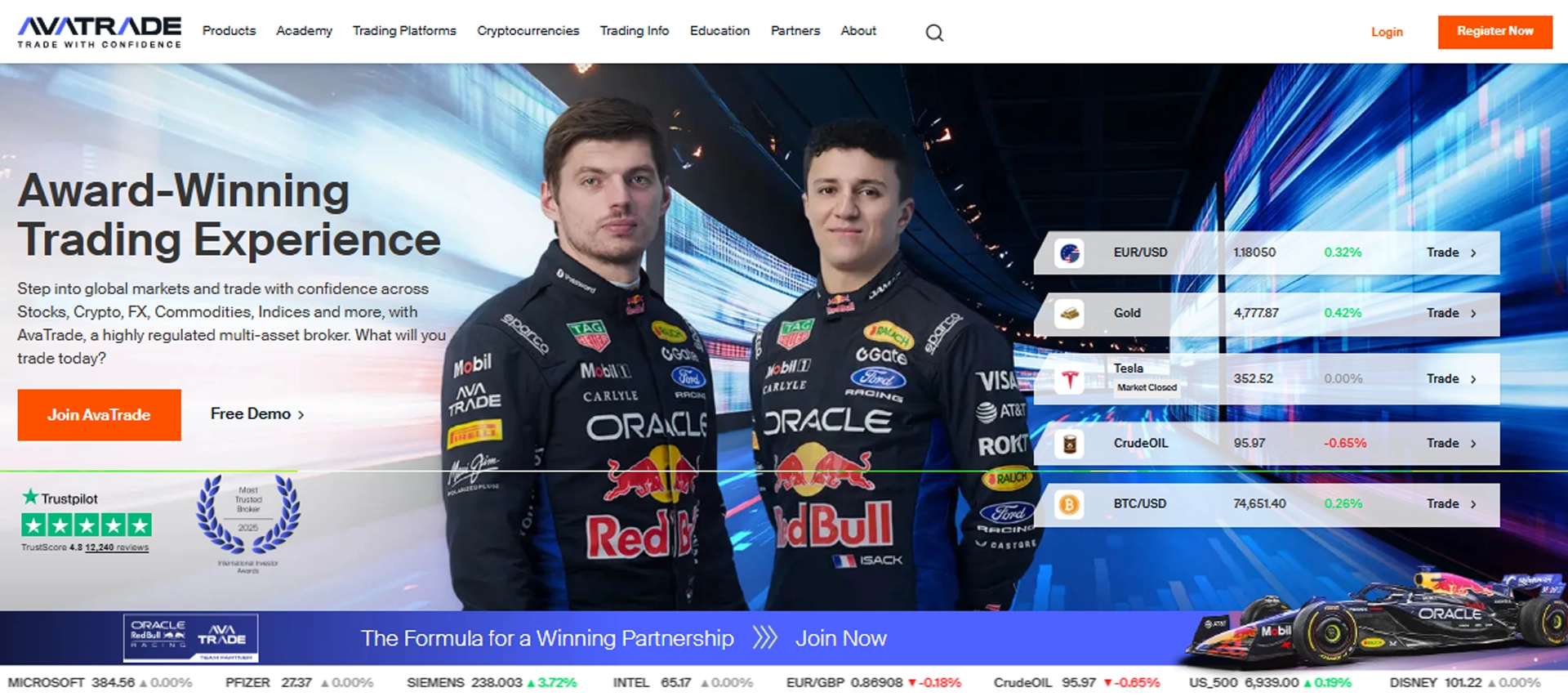
For Dutch traders looking for a solid, licensed broker across many assets, AvaTrade fits well. Official details spotlight MT5 and WebTrader alongside tools like AvaProtect – designed with risk control in mind where available. This appeals most to those valuing clear learning paths bundled neatly into daily use. The experience skews toward simplicity without losing depth.
Perfect if you’re shopping online, hopping between apps, or need trading tools baked right in
Its strong position comes from wide availability across stores worldwide. A name people know helps too.
Read our full AvaTrade review 2026.
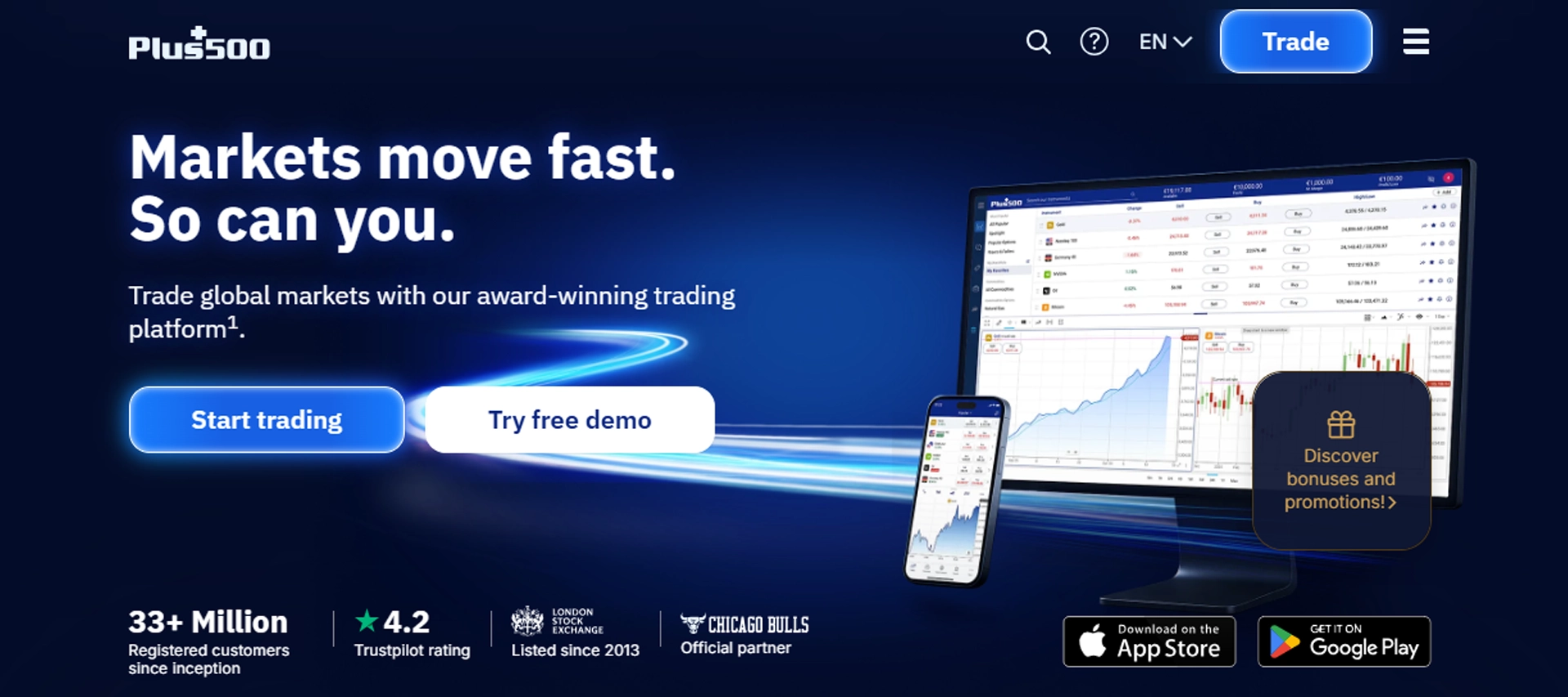
Most people know Plus500 as a go-to name for trading CFDs. For those in the Netherlands looking for something straightforward, it fits well when you just want basics without clutter. Still, if complex features or customizable setups matter to you, this might feel too light. Simplicity wins here – so if that’s what matters most, it holds up.
Simple CFD Trading Focus
Shows up high because the layout feels familiar. Stores everywhere tend to carry it
Plus500 review 2026.
Most Dutch traders using MetaTrader stick with Admirals when they care less about flashy apps and more about actual trading tools. Those already familiar with MT4 or MT5 tend to find it fits better, while newcomers might feel out of step. Instead of chasing trends, the platform holds steady for those focused on function over flash.
For MetaTrader users and those with some trading experience
What puts it on this list? Solid support for MT4 and MT5 matters. The overall setup works well enough across tasks
Admirals Review 2026.
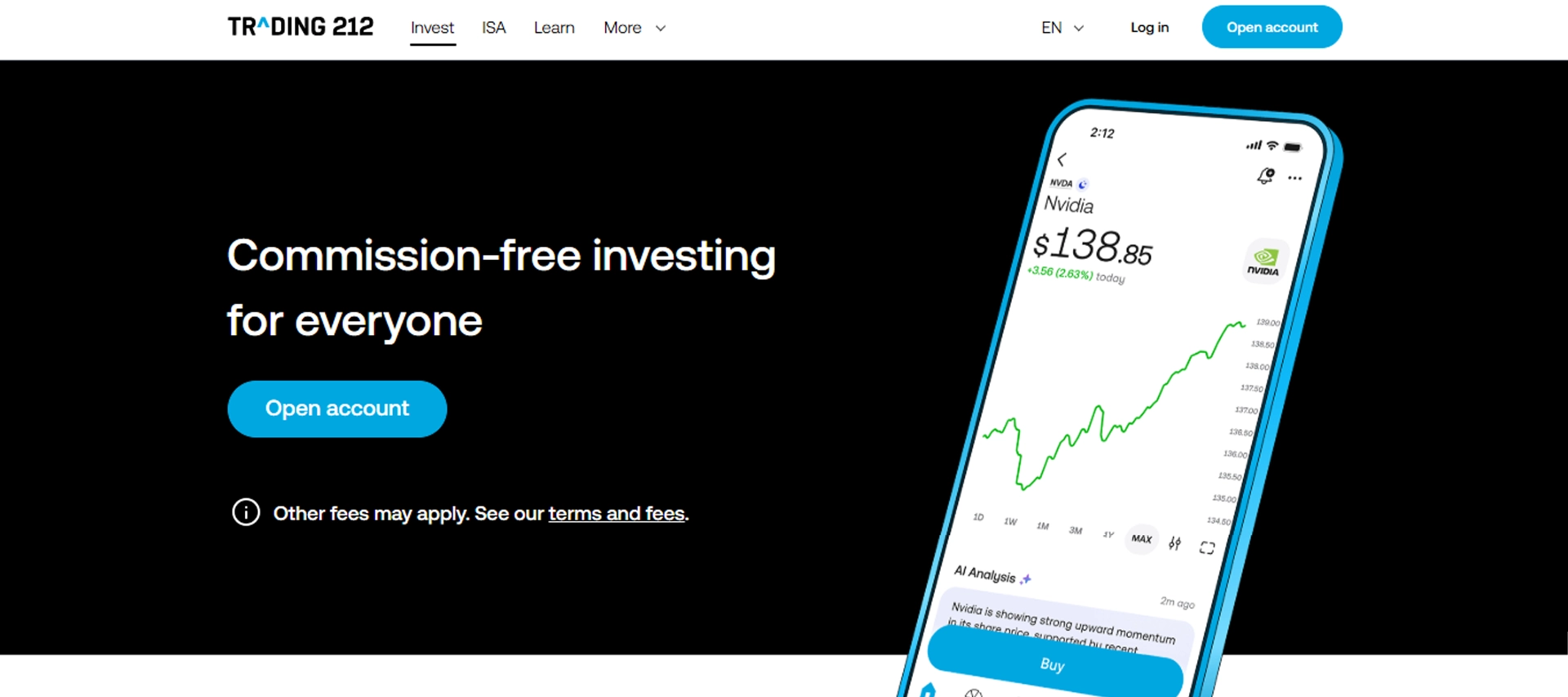
One reason folks pick Trading 212? The app makes getting started feel smooth. Not built just for forex like certain platforms you might see here. Yet if you’re based in the Netherlands and lean toward long-term moves instead of quick trades, this could fit. Though different from niche brokers, it holds value for casual investors.
App-first folks will find this fits right. Simplicity seekers tend to stick around
What puts it in this spot? Getting started is smooth, almost anyone can jump in right away
Trading 212 Review 2026.
What shapes our rankings? The stuff hitting closest to home for retail traders in the Netherlands and across the EU. Each element picked because it shows up in real daily trading life there
Putting more weight here focuses clearly on rules, safety for clients, one’s ability to operate reliably. For Dutch markets, this makes sense. Not first place goes to brokers who offer high leverage or loud ads when their oversight is shaky. Higher rank belongs instead to those offering better safeguards for investors, clearer records of following laws.
Right now, buying and selling currencies is allowed in the Netherlands. Still, just because it is permitted does not make it free of restrictions. People who trade must follow rules built across Europe that come from oversight by the AFM, guidelines under MiFID II, along with special actions limiting CFD offerings. For most users, this results in smaller borrowing options, more straightforward warnings about danger, better safeguards compared to what an international firm might offer.
Most small investors get safeguards like these when trading CFDs through stores open to the public
Some assets allow a maximum of thirty times the capital. Others go as low as two times. The cap shifts based on what type is involved
standardized risk warnings on CFD marketing materials
Limitations put in place to lower damaging effects on store-based sales For a Dutch trader weighing options, it’s less about company names. What counts is how smoothly each one functions under stricter oversight.
Now picture this: the Dutch Authority for the Financial Markets – AFM for short – keeps an eye on activity across Holland’s financial landscape. Simply put, it watches what banks, traders, and investment outfits actually do. Think fairness in selling plans, handling client funds, treating people right when things go wrong. Sooner or later, talks around foreign exchange and contract-for-difference services always loop back here. Standards in advertising pop up. Banning risky tools shows up too. How customers get treated matters deeply. Actions taken beyond national borders? They matter just as much.
Brokers working with Dutch customers might come from within the country or elsewhere in Europe, so long as they follow proper licensing rules. Operating under EU regulations shapes how these services reach local users. The AFM recently raised concerns about foreign-registered companies selling complex financial products across borders. Cross-border offering of such instruments has drawn attention due to potential consumer risks. Rules apply uniformly, yet enforcement involves coordination between national authorities.
Most websites calling themselves “top broker” guides barely scratch the surface. Spreads get checked, sure – yet what backs the whole setup stays hidden. A Dutch investor should ask sharper things
Could the system truly handle what you plan to do? Might depend on how heavy your approach really is.
Here lies what separates a simple mailing roster from a trustworthy broker evaluation. A collection of names means little without context behind it. What matters comes down to reliability shown through real results over time instead of empty claims stacked together. One points toward noise. The other offers direction when choices feel uncertain.
Here’s a part that matters more than most others in this piece. Still, it fits right alongside the rest without standing out too much.
Offshore brokers can seem appealing at first glance – promises of massive leverage, quick sign-ups, rewards just for joining, less red tape. Newer traders might get a rush from those offers. Truth is, though, the balance rarely works out in their favor.
EU-regulated route
Pros:
Cons:
Offshore route
Pros:
Cons:
Space grows for mishandled complaints when oversight slips. Weak checks invite shaky methods. Looser rules mean corners get cut. Mistakes hide easier in gaps. Oversight fading allows dodgy moves. Room widens for slipshod work if attention drops. Gaps appear where errors thrive
Most people in the Netherlands who trade stocks tend to do better when they choose cautious routes. Leverage might seem powerful, yet it loses value if the company taking your orders isn’t reliable. Instead of chasing gains, staying clear of shaky ground often brings steadier results. A strong account setup means little when trust in the provider wavers.
Interactive Brokers top choice
Traders needing strong systems often find what they’re after here. Access spreads wide across markets, opening doors without limits. As demands shift, the platform moves right along – keeping pace quietly, steadily.
XTB Low Cost Platform
Perfect if you’re in the Netherlands and care about clear prices, ease of use, plus a clean shopping look.
Good for new traders OANDA
Starting simple suits some people better. Those avoiding clutter find it fits just right. A clear path works when too many options feel heavy.
Best for copy trading: eToro
Those keen on connecting with others might like this. Market access comes without much fuss here. Spotting new portfolios feels natural along the way. A smooth journey opens up when social tools blend in.
Pepperstone suited for active platforms
Traders looking for MT4, plus MT5, along with cTrader and TradingView, find it fits well inside a single setup.
The reality of forex trading in the Netherlands
Most times, a strong main article keeps praise in check. Industry excitement often grows too fast. Truth matters more than big claims. Pages like this one choose facts over noise. Hype fades. Trust stays longer.
Most people think Forex and CFDs offer quick money – reality hits hard. Sticking to a plan feels boring, so many jump in too fast, trade too much. Leverage? Often twisted into something dangerous without noticing. Flashy ads pull traders toward brokers who aren’t built to last. In the Netherlands, rules tighten over time – watchdogs saw trouble coming years ago with high-risk bets sold to regular folks.
For a Dutch trader, the top choice often isn’t the loudest name. Safety matters more than flashy claims when putting a real plan into action.
Start with Interactive Brokers when hunting top Dutch forex platforms in 2026. XTB follows close, standing out through clear tools. A social twist lifts eToro above others nearby. OANDA earns space by handling global access well. Then there is IG – trusted because it stays steady under pressure.
Go with Interactive Broilers when a broad mix of features matters most.
XTB works well when ease of use matters just as much as keeping costs low.
Besides copy trading, eToro builds its feel around community interaction. One reason people stay is how smoothly shared choices blend into personal decisions.
Go with OANDA when forex simplicity matters most.
Go with IG when maturity matters plus wide market access is key. A seasoned broker shows up well here, offering reach across many markets.
Whatever suits you best hinges on if you’re just starting out, trade often, plan years ahead, or follow what your platform pushes. Yet Dutch market participants ought to place clear priority on safeguards and organization – over borrowed money excitement.

Emma Thompson

Robert Walker