This XM Review 2026 is built for traders who want a serious broker evaluation rather than a surface-level summary. We break down XM across regulation, account structure, execution quality, platform stack, costs, and overall risk profile using a structured analyst-style framework designed for direct broker comparison.
Below is a quick snapshot of XM as a trading venue, followed by a simplified regulatory overview. This section is designed to help traders understand both the broker’s commercial profile and the practical trust implications behind its licensing structure.
Cyprus Market Making License for Trading Point of Financial Instruments Ltd, listed on brokshield with license 120/10.
United Arab Emirates license for Trading Point MENA Limited, shown as DFSA regulated with license F003484.
brokshield shows XM Global Limited under FSC Belize with an offshore retail forex license structure.
Brokshield company profile and Q&A references also list ASIC regulation as part of XM’s broader multi-entity structure.


Cleaner traffic, country, channel and competitor signals.
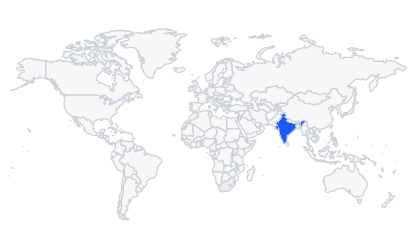
Compared with more geographically balanced brokers, XM looks far more dependent on a narrow cluster of retail-driven Asian markets.
XM looks more brand-driven than search-led. The mix suggests strong recognition in core markets, but less SEO depth than brokers with a larger organic contribution.

A clean summary of tools, strengths, limitations, and final takeaways for XM.
XM still appeals strongly to traders who prefer the classic MT4 workflow, lightweight charting, and a familiar environment for forex-focused trading.
MT5 adds broader platform capability, improved order handling, and better multi-asset flexibility for traders who want a more modern MetaTrader stack.
The broker’s mobile experience supports account management, market access, and on-the-go trade monitoring for users who want a more retail-friendly workflow.
XM offers flexible access across devices, which makes it easier for mainstream retail traders to monitor positions and interact with markets outside desktop sessions.
XM’s platform stack is designed more for accessibility and broad retail usability than for ultra-specialized execution-first workflows.
XM is a strong fit for retail traders who want a familiar MetaTrader environment, broad accessibility, and a broker brand with clear traction in active retail markets. It is especially well-positioned for mainstream forex and CFD users, though advanced execution-focused traders may still prefer more specialist broker models.

Emma Thompson

Robert Walker
Have you used this broker? Share your experience and help other traders make smarter decisions.
No user reviews yet. Be the first to rate this broker.